Overcoming Intimacy Performance Anxiety: 2026 Guide
Sexual performance anxiety is a situational fear response that interferes with sexual pleasure, arousal, or interest. It is not a character flaw or a permanent condition. Research shows it affects up to 25% of men and 16% of women in the U.S., making it one of the most common yet least-discussed challenges in intimate relationships. Understanding what drives it is the first step toward real, lasting change.
The good news: this is a well-mapped problem with well-tested solutions. The main approaches include:
- Cognitive Behavioral Therapy (CBT): Rewires self-critical thought patterns that fuel the anxiety cycle
- Mindfulness practices: Shift attention from self-monitoring to present-moment sensation
- Open partner communication: Prevents misinterpretation and builds a safer intimate environment
- Pelvic floor training and movement: Releases physical tension and restores body awareness
- Lifestyle adjustments: Sleep, diet, and exercise all directly influence sexual confidence
- Professional support: Sex therapists, couples counselors, and in some cases medical consultation
Each of these works. Used together, they work faster.
Table of Contents
- What causes sexual performance anxiety and why it persists
- Practical strategies to reduce and manage sexual anxiety
- When to seek professional help for intimacy anxiety
- How Projectbetter’s 30-day program addresses men’s sexual wellbeing
- Building sexual confidence beyond managing anxiety
- Specific challenges men face around sexual wellbeing
- Common myths about sexual performance anxiety that make it worse
- Projectbetter: a structured path for men ready to move forward
- Key Takeaways
- FAQ
What causes sexual performance anxiety and why it persists
The anxiety rarely starts with sex itself. It usually begins with a thought: What if I can’t perform? What if I disappoint them? That thought triggers a stress response, and the stress response makes the feared outcome more likely. This is the performance mindset at work, where the focus shifts from connection and pleasure to grading and evaluation.
Once the cycle starts, it tends to reinforce itself. Anxiety narrows attention inward, toward monitoring your own body rather than engaging with your partner. That self-scrutiny disrupts the automatic, relaxed state that sexual arousal depends on. The result is a feedback loop where worry produces symptoms, and symptoms produce more worry.
Common causes and triggers include:
- Negative body image or self-esteem: Feeling judged or inadequate physically
- Past negative sexual experiences: A single difficult encounter can set a lasting template
- Relationship tension or unresolved conflict: Emotional distance shows up in the bedroom
- Fear of not satisfying a partner: Especially common in new relationships or after a long break
- Unrealistic expectations from media or pornography: Distorted benchmarks for “normal” performance
- Stress and fatigue from daily life: Cortisol suppresses the hormones that support arousal
- Explicit self-monitoring: Watching yourself perform rather than being present in the moment
The psychological mechanism behind all of these is essentially the same: attention moves away from sensation and toward evaluation. Rebuilding intimacy confidence means learning to redirect that attention, consistently and without self-judgment.
Practical strategies to reduce and manage sexual anxiety
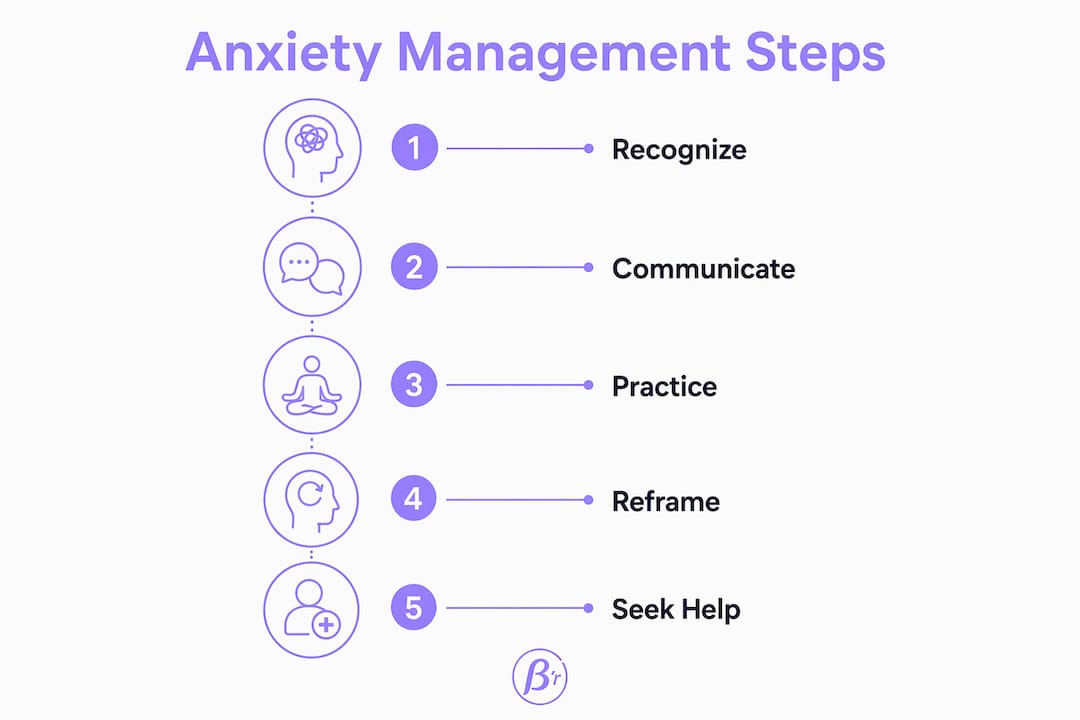
Communication with your partner
Open communication is one of the most effective and most underused tools available. When you say nothing, partners often fill the silence with their own interpretations, which are frequently worse than the truth. A calm, honest conversation about what you are experiencing reduces pressure on both sides and creates the kind of safety that intimacy actually requires.
Mindfulness and cognitive reappraisal
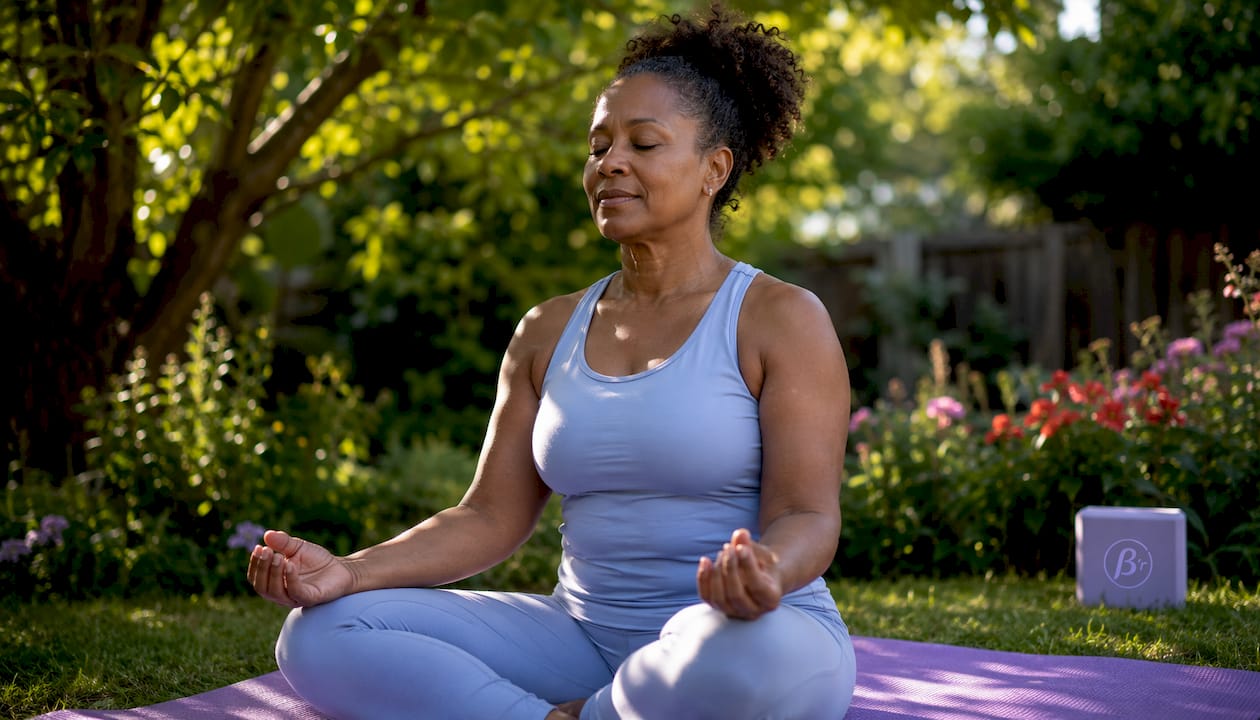
Mindfulness during intimacy means placing your attention on physical sensation rather than on how you are being perceived. This is a skill, not a personality trait, and it gets easier with practice. One particularly useful technique: when you notice the physical signs of anxiety (elevated heart rate, tension), try reappraising that arousal as excitement rather than dread. The physiological signals are nearly identical. The label you give them changes how your nervous system responds.
CBT-based approaches
Cognitive Behavioral Therapy is the leading psychological treatment for dealing with sexual performance anxiety. In practice, this means identifying the specific thoughts that trigger your anxiety (“I’m going to fail,” “They’ll leave me”) and systematically testing whether those thoughts are accurate. Most of the time, they are not. CBT also addresses catastrophizing, the habit of treating a single difficult moment as evidence of permanent failure.
Physical practices
Pelvic floor exercises strengthen the muscles directly involved in sexual function and, perhaps more importantly, build a conscious connection between mind and body. Movement more broadly, whether a short walk, light stretching, or a few minutes of breathwork, helps discharge the physical tension that anxiety builds up. Breathwork in particular (box breathing, diaphragmatic breathing) gives the nervous system a concrete signal that the situation is safe.
Pro Tip: Establish a brief pre-intimacy routine: two minutes of slow breathing, a few pelvic floor contractions, and a moment of deliberate attention on physical sensation rather than outcome. Pre-performance routines narrow focus to task-relevant cues and reduce internal self-scrutiny, a principle well-documented in performance psychology.
Lifestyle factors
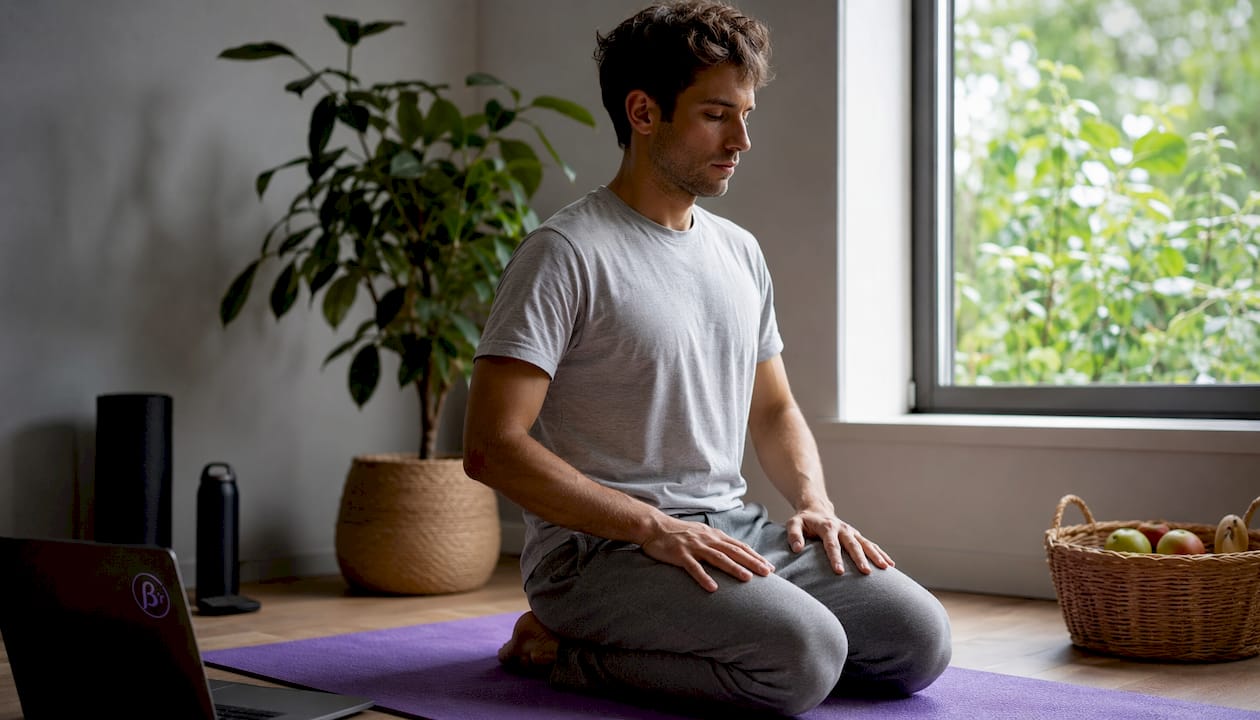
Sleep deprivation raises cortisol and lowers testosterone, both of which directly affect sexual confidence and function. Regular aerobic exercise improves circulation and mood. Diet matters too: complex carbohydrates support stable energy, while excess caffeine can amplify nervousness. These are not glamorous interventions, but they form the physiological foundation that everything else builds on.
Key performance anxiety tips at a glance:
- Practice mindful breathing before and during intimacy
- Replace self-evaluation with sensory awareness
- Have one honest conversation with your partner about what you are experiencing
- Build a consistent movement and sleep routine
- Use CBT journaling to challenge catastrophic thoughts
- Try pelvic floor training three to four times per week
When to seek professional help for intimacy anxiety
Some anxiety responds well to self-directed strategies. But when symptoms are persistent, when they are straining your relationship, or when they are affecting your self-worth outside the bedroom, professional support is the right call.
Signs that it is time to reach out:
- Anxiety occurs consistently across multiple partners or situations
- You are avoiding intimacy altogether to prevent the possibility of failure
- Your partner is expressing concern or frustration
- Self-help strategies have not produced meaningful improvement after several weeks
- Anxiety is accompanied by depression, shame, or significant distress
Evidence-based therapies that work:
- CBT with a licensed therapist: Structured sessions targeting the thought patterns and behaviors maintaining the anxiety
- Exposure therapy / systematic desensitization: Gradual, controlled exposure to anxiety-provoking situations in a safe setting, building tolerance over time
- Couples therapy: Addresses the relational dimension, helping both partners understand and support each other
- Sex therapy with a certified sex therapist: Specialized training in sexual function and intimacy; the American Association of Sexuality Educators, Counselors and Therapists (AASECT) maintains a searchable directory at aasect.org
On the medical side, a physician can evaluate whether physiological factors (hormonal imbalances, cardiovascular issues) are contributing. For men experiencing erectile dysfunction alongside anxiety, medication may be part of the picture. Beta-blockers like propranolol can reduce physical symptoms such as elevated heart rate, though they do not address the underlying psychological patterns. Any medication decision belongs with a doctor.
Key points for seeking help:
- Persistent or relationship-affecting anxiety warrants professional support
- AASECT-certified sex therapists specialize in exactly this area
- CBT and exposure therapy are the most evidence-supported psychological treatments
- Medical consultation is appropriate when physical symptoms are prominent
- Self-compassion therapy can complement formal treatment by addressing shame and self-criticism
How Projectbetter’s 30-day program addresses men’s sexual wellbeing
Projectbetter was built specifically for men navigating performance pressure, low sexual confidence, and the kind of anxiety that self-help articles alone rarely resolve. The program runs for 30 days through a private iOS app, structured around daily protocols that are brief, specific, and grounded in evidence-based practice.
Each day includes a combination of:
- Movement exercises to discharge physical tension and restore body awareness
- Guided pelvic floor (Kegel) training to build functional strength and mind-body connection
- Audio meditations designed for the specific mental patterns that drive performance anxiety
- Self-reflection prompts to surface and reframe the thoughts maintaining the cycle
- Mood and habit logging to track patterns over time and build self-awareness
- Educational content on sexual health topics, delivered without clinical coldness or shame
The program’s structure matters as much as its content. Thirty days of consistent, private, daily practice builds the kind of psychological flexibility that one-off strategies cannot. Progress tracking within the app makes gradual improvement visible, which itself reinforces confidence.
What sets Projectbetter apart is the combination of physical training, mindfulness, and structured reflection in a single private system. Most men dealing with intimacy anxiety have access to information. What they lack is a structured daily practice that addresses the body, the mind, and the habits simultaneously.
Program benefits at a glance:
- Private, judgment-free environment with no external accountability pressure
- Daily protocols short enough to complete consistently
- Pelvic floor training with guided audio, not just written instructions
- Mood and self-control tracking to identify personal patterns
- A library of repeatable exercises for ongoing use beyond the 30 days
- Built around clinical research, not generic wellness advice
Building sexual confidence beyond managing anxiety
Managing anxiety and building confidence are related but distinct goals. Anxiety management is about reducing what gets in the way. Confidence is about building something positive in its place.
Positive intimate experiences are among the most reliable ways to rebuild confidence, which is why creating low-pressure situations matters. This might mean slowing down the pace of intimacy, focusing on connection rather than outcome, or explicitly agreeing with a partner to remove performance expectations for a period of time.
Self-esteem outside the bedroom also feeds directly into sexual confidence. Men who feel capable and grounded in other areas of life carry that sense of self into intimate situations. Regular physical training, meaningful work, and strong social connections all contribute. The goal is not to perform confidence but to carry it, as something built through consistent action rather than summoned on demand.
Replacing the goal of performance perfection with curiosity is one of the most practical mindset shifts available. Curiosity asks: What feels good right now? What does my partner respond to? Perfection asks: Am I doing this right? One opens the experience; the other closes it. For more on this shift, the Projectbetter guide on building sexual confidence covers the practical steps in detail.
Specific challenges men face around sexual wellbeing
Men face a particular set of pressures that women generally do not. Erection quality is visible and immediate, which means there is no hiding a difficult moment. Cultural messaging around masculinity ties sexual performance to identity and worth in ways that are rarely examined openly. The result is that many men experience shame alongside anxiety, a combination that makes both harder to address.
Erectile difficulties are the most common physical manifestation of performance anxiety in men, but they are far from the only one. Premature ejaculation, difficulty reaching orgasm, and loss of desire can all be driven or worsened by anxiety. Each of these is a medical and psychological issue, not a moral one.
Men also tend to delay seeking help longer than women do. The same cultural conditioning that ties performance to identity makes it harder to admit the problem and reach out. This delay extends the duration of the anxiety and often deepens the associated shame. Recognizing that seeking support is a sign of self-awareness, not weakness, is itself part of the work.
Fatigue is another underappreciated factor. The connection between tiredness and sexual function in men is well-documented: poor sleep raises cortisol, reduces testosterone, and lowers both desire and physical responsiveness. Addressing sleep is not a soft intervention; it is a direct one.
Common myths about sexual performance anxiety that make it worse
Myth: It only happens to men with “real” problems. Sexual performance anxiety is a psychological response, not a sign of underlying dysfunction. It can affect any man regardless of age, health, or relationship history. Treating it as evidence of something fundamentally wrong amplifies the shame and deepens the cycle.
Myth: Thinking about it less will make it go away. Avoidance maintains anxiety. The clinical evidence is clear: gradual, structured engagement with the feared situation, not avoidance of it, is what produces lasting change. Suppressing the thought takes energy and rarely works.
Myth: Medication is the complete solution. Medication for erectile dysfunction addresses a physical symptom. It does not address the thought patterns, the self-monitoring, or the relational dynamics that drive performance anxiety. For many men, medication provides a window of reduced pressure during which psychological work can happen, but it is not a standalone fix.
Myth: Progress should be linear. Setbacks are a normal part of desensitizing any fear. A difficult night after several good ones does not erase the progress. Self-compassion here is not a soft concept; it is a practical tool that keeps people engaged with the process rather than abandoning it after the first setback.
Myth: Your partner already knows and is judging you. Most partners, when told what is happening, respond with relief and support rather than judgment. The silence is usually worse than the conversation.
Projectbetter: a structured path for men ready to move forward
If you have read this far, you already know what the problem is and roughly what it takes to address it. The gap for most men is not information. It is a structured, private system that puts the right practices in the right order, consistently, over enough time to produce real change.
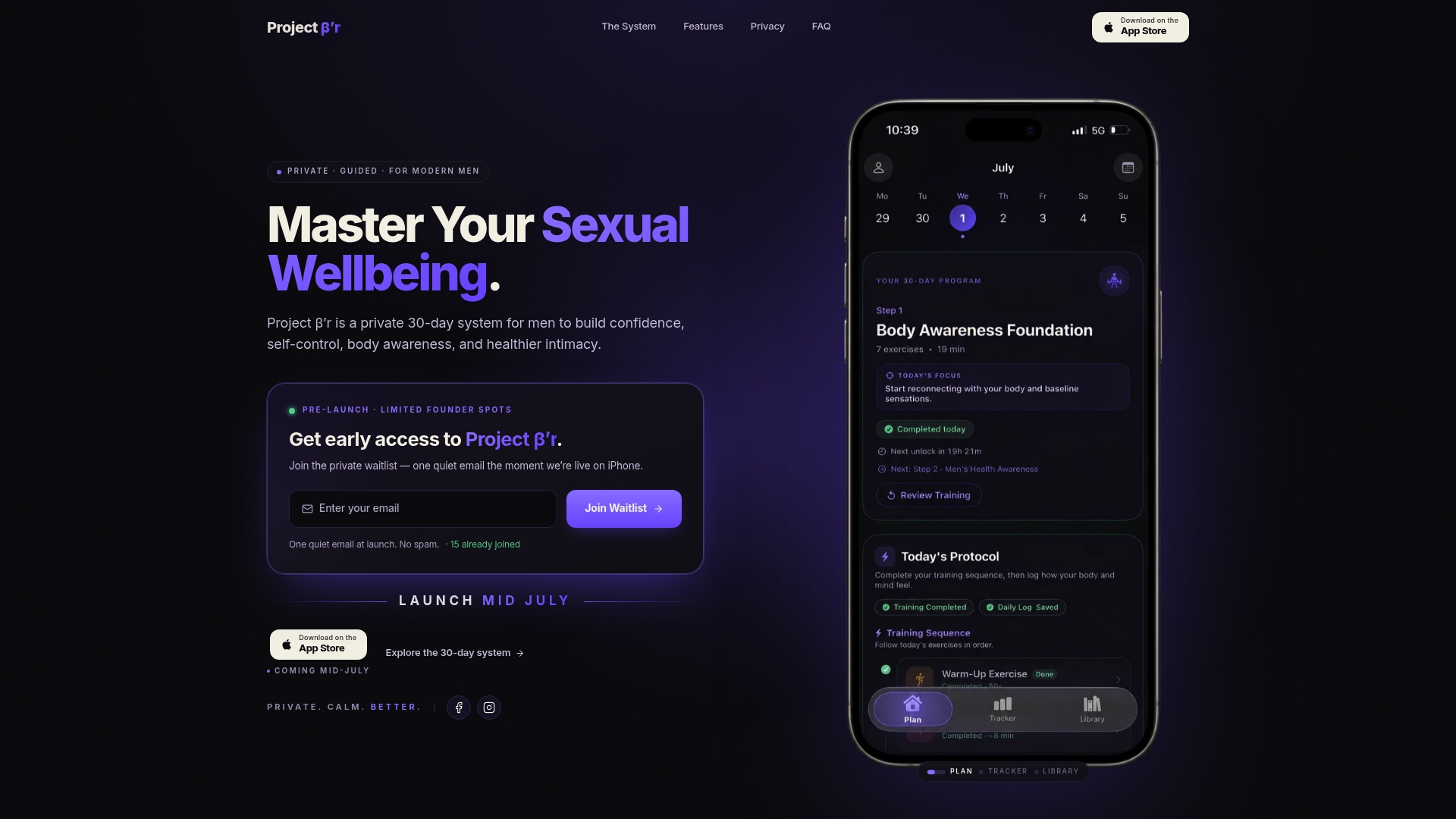
Projectbetter is a 30-day iOS app built for exactly this. No public forums, no generic wellness content, no long-term subscription required to see results. The daily protocols combine pelvic floor training, guided movement, audio meditations, and self-reflection tools into a single private system designed around the specific patterns that drive men’s performance anxiety. Each session is short enough to complete on any day, and the progress tracking makes improvement visible in a way that self-directed effort rarely does.
Men who work through the 30 days come out with a calmer baseline, stronger body awareness, and the kind of confidence that comes from consistent practice rather than a good night. Visit Projectbetter to start your first week.
Key Takeaways
Overcoming intimacy performance anxiety requires addressing both the psychological thought patterns and the physical habits that maintain the anxiety cycle, consistently and without self-judgment.
| Point | Details |
|---|---|
| Prevalence is high | Sexual performance anxiety affects up to 25% of men and 16% of women in the U.S. |
| CBT is the leading treatment | Cognitive Behavioral Therapy rewires self-critical thoughts and is the most evidence-supported psychological approach. |
| Communication reduces pressure | Talking openly with a partner prevents misinterpretation and creates the safety intimacy requires. |
| Physical practice matters | Pelvic floor training, movement, and breathwork discharge tension and rebuild mind-body connection. |
| Projectbetter offers structure | The 30-day iOS program combines daily movement, pelvic floor training, meditations, and self-reflection in a private system built for men. |
FAQ
What is sexual performance anxiety?
Sexual performance anxiety is a fear or worry response that interferes with sexual arousal, pleasure, or function. It affects up to 25% of men and 16% of women in the U.S. and is driven by self-monitoring, negative thought patterns, and stress rather than physical dysfunction.
What is the most effective treatment for sexual performance anxiety?
Cognitive Behavioral Therapy is the most evidence-supported treatment, helping men identify and reframe the self-critical thoughts that fuel the anxiety cycle. Mindfulness, open partner communication, and pelvic floor training are effective complements.
When should I see a doctor or therapist about intimacy anxiety?
Seek professional support when anxiety is persistent, when it is affecting your relationship or self-worth, or when self-directed strategies have not produced improvement after several weeks. AASECT-certified sex therapists specialize in this area.
Can lifestyle changes actually reduce sexual performance anxiety?
Yes. Sleep, regular exercise, and diet directly affect the hormonal and neurological systems that support sexual function. Addressing these creates a physiological foundation that makes psychological strategies more effective.
How does Projectbetter help with performance anxiety?
Projectbetter’s 30-day iOS program provides structured daily protocols combining pelvic floor training, guided movement, audio meditations, and self-reflection tools, addressing both the physical and psychological patterns that drive men’s performance anxiety in a private, judgment-free environment.