Intimacy Exercises PDF: A Couples' Connection Guide
Intimacy Exercises PDF: A Couples’ Connection Guide

TL;DR:
- Intimacy exercises PDFs provide private, structured tools for building emotional, physical, and erotic connection. Consistent practice, starting with short daily exercises and progressing to longer sessions, enhances intimacy over time. Pausing during discomfort and maintaining curiosity are vital for deepening relational trust and safety.
Intimacy exercises PDFs are structured, downloadable tools that deliver repeatable emotional and sexual connection practices in a private, accessible format. Approximately 70% of couples who regularly use structured, evidence-based relationship exercises report significant improvements in intimacy and satisfaction. That number reflects a clear truth: connection deepens through deliberate practice, not chance. Approaches like attachment-based therapy and sex therapy have long endorsed structured exercises as the foundation for rebuilding closeness. Whether you are working through distance in a long-term relationship or building confidence as an individual, a well-designed intimacy exercises PDF gives you a private, repeatable system that works on your schedule.
What types of intimacy exercises are included in PDFs?
The best intimacy exercises PDFs organize their content into three clear tiers: emotional, physical, and erotic. Each tier builds on the one before it. Physical and erotic intimacy naturally follow emotional safety, according to sex therapist Dr. Adrian Scharfetter. Skipping the emotional foundation creates pressure instead of connection.
Emotional intimacy exercises are the starting point in most couples intimacy guides:
- Daily appreciations: Partners share one specific thing they noticed and valued about each other that day.
- 20-minute check-ins: A structured conversation covering feelings, needs, and one positive moment from the day.
- The 36 Questions: A research-backed sequence of progressively personal questions designed to accelerate closeness between two people.
Physical intimacy exercises shift focus to the body without sexual pressure:
- Sensate focus: Partners take turns giving and receiving non-sexual touch, paying attention to sensation rather than outcome.
- Non-sexual touch practices: Hand-holding, back contact, or shoulder resting held for at least 20 seconds.
- Synchronized breathing: Sitting back-to-back and matching breath rhythms to create a felt sense of attunement.
Erotic intimacy exercises address desire and sexual confidence directly:
- Desire mapping: Each partner writes down what they want more of, less of, and what they are curious about.
- Yes/No/Maybe inventories: A checklist where partners independently rate activities, then compare results as a conversation.
- Fantasy sharing: Guided prompts for expressing desires in a low-pressure, structured way.
Structured intimacy programs use a tiered approach, starting with daily 5–15 minute micro-practices and progressing to weekly 30–60 minute deeper sessions. That structure matters because it prevents overwhelm and builds trust gradually.
How to use intimacy exercises PDFs for lasting connection
Consistency produces results. A single session rarely changes anything. The couples who report real growth are the ones who treat their intimacy routines the same way they treat exercise: scheduled, repeated, and non-negotiable.
- Create a distraction-free space. Put phones away. Close the door. Treat the session as protected time, not a task squeezed between other obligations.
- Start with the shortest exercises. Small, intentional daily check-ins sustain long-term intimacy more reliably than occasional long sessions. Begin with five minutes and build from there.
- Expect awkwardness and stay anyway. Feeling awkward during early intimacy exercises is common and normal. It gives way to genuine connection with consistency. Name the discomfort out loud. That act alone builds safety.
- Choose curiosity over performance. Treating exercises as performance tasks undermines intimacy. Remaining curious about what you feel during practice creates openness instead of pressure.
- Schedule micro-practices and weekly sessions separately. Daily practices keep the emotional channel open. Weekly sessions go deeper. Both are necessary.
- Treat your PDF as a living document. Revisit it every few months. What felt uncomfortable at week one may feel natural by week eight. Your needs change, and your practice should reflect that.
Pro Tip: If an exercise triggers strong emotion or defensiveness, pause. Acknowledging what came up with your partner is more effective than pushing through. That pause is the exercise working.
Choosing the right format: a comparison of PDF types

Not all intimacy exercises PDFs are built the same. The format you choose should match where you are in your relationship and what you want to work on.
| Format | Best for | Session length | Key feature |
|---|---|---|---|
| Emotional worksheets | Rebuilding trust and communication | 10–20 minutes | Guided prompts, reflection space |
| Physical exercise guides | Reducing touch anxiety, rebuilding closeness | 15–30 minutes | Step-by-step instructions, body-focused |
| Erotic inventory sheets | Desire alignment, sexual confidence | 30–90 minutes | Yes/No/Maybe lists, desire mapping |
| Conversation prompt cards | Easy intimacy exercises, low pressure | 5–10 minutes | Short questions, flexible format |
| Full couples intimacy guides | Comprehensive relationship building | Varies | All three tiers, structured progression |
Free PDFs work well for emotional and conversation-based exercises. Paid guides, often created by licensed therapists, tend to offer more structured progressions and clearer session guidance. When choosing, look for evidence-based content, clear session time guidance, and a format that feels private enough to use honestly.
Therapist-recommended worksheets often include methods like the 36 Questions and Yes/No/Maybe inventories, used in sessions of 30–90 minutes. That range gives you flexibility to fit the practice into your actual life.
10 intimacy building activities to look for in quality PDFs
A well-designed downloadable intimacy exercises resource should include a mix of the following practices. These are the exercises most consistently endorsed by therapists and relationship researchers.
- The 36 Questions exercise: Developed from psychological research on closeness, this sequence moves from light to deeply personal questions. It works for couples and individuals preparing for new relationships.
- Sensate focus protocol: A classic sex therapy tool that removes performance pressure by focusing entirely on sensation. It is particularly useful for men working on sexual confidence.
- Yes/No/Maybe inventory: Partners complete the checklist independently, then use it as a living conversation rather than a final verdict. Pausing when discomfort arises is part of the process.
- Daily appreciation practice: One specific, genuine observation shared each day. Specificity matters. “I noticed you listened carefully when I was frustrated” lands differently than “You were nice today.”
- Desire mapping worksheet: A private writing exercise where you identify what you want more of, what you want less of, and what you are curious to explore. Useful for individuals and couples alike.
- Synchronized breathing exercise: Sitting back-to-back and matching breath for three to five minutes. Micro-practices like this biologically regulate the nervous system, shifting the body from defensiveness to connection.
- The 6-second kiss: A brief but deliberate physical connection practice. Six seconds is long enough to shift the nervous system out of a stress response.
- Fantasy sharing prompts: Structured questions that guide partners to express desires without judgment. The structure reduces the vulnerability of open-ended disclosure.
- Non-sexual touch sequences: Guided exercises for hand, shoulder, or back contact held long enough to register as safe. These rebuild physical comfort before erotic exercises begin.
- Emotional check-in template: A repeatable format covering current feelings, current needs, and one thing the partner did well. Used daily, it keeps emotional awareness current rather than reactive.
Pro Tip: If you are using a couples intimacy guide solo, the desire mapping and 36 Questions exercises adapt well for individual reflection. They build self-awareness that directly improves how you show up in relationships.
Key takeaways
Structured intimacy exercises, used consistently and with curiosity, produce measurable improvements in emotional closeness and sexual confidence for both individuals and couples.
| Point | Details |
|---|---|
| Start with emotional safety | Emotional exercises build the foundation that physical and erotic practices require. |
| Use the tiered structure | Begin with daily 5–15 minute micro-practices before moving to longer weekly sessions. |
| Expect and name awkwardness | Early discomfort is normal. Naming it out loud builds safety faster than ignoring it. |
| Choose curiosity over performance | Treating exercises as tasks creates pressure. Staying curious creates connection. |
| Revisit your PDF regularly | Your needs evolve. A good intimacy guide grows with you when you return to it over time. |
What I have learned from watching couples use these tools
The couples who get the most from intimacy exercises PDFs are not the ones who do them perfectly. They are the ones who keep showing up after the awkward sessions.
The most common mistake is treating the PDF like a checklist. You complete the exercise, tick it off, and move on. That approach misses the point entirely. The exercise is not the goal. The conversation it opens, the feeling it surfaces, the moment of genuine noticing — that is what builds connection. The PDF is just the structure that makes those moments more likely.
What I find most underrated in these guides is the micro-practice. A 6-second kiss or 20-second hug sounds almost too simple to matter. But these small acts shift the nervous system in ways that longer, more effortful sessions sometimes cannot. They work because they are low-stakes and repeatable. You do not need to be in the right mood. You just need to show up for six seconds.
For men specifically, the privacy of a PDF format removes a real barrier. There is no therapist watching, no partner waiting for a reaction, no performance pressure. You can read, reflect, and decide what feels right before bringing anything into the relationship. That private entry point matters more than most people acknowledge.
The one thing I would add to every intimacy exercises PDF: a reminder that pausing is not failure. If an exercise surfaces something uncomfortable, stopping and naming that feeling with your partner is the most intimate thing you can do in that moment.
— Projectbetter
Structured support for men building sexual confidence
Intimacy exercises PDFs give you a strong starting point. For men who want a more guided, private system that goes deeper into sexual wellbeing, Projectbetter offers a structured 30-day program built around exactly this kind of daily practice.
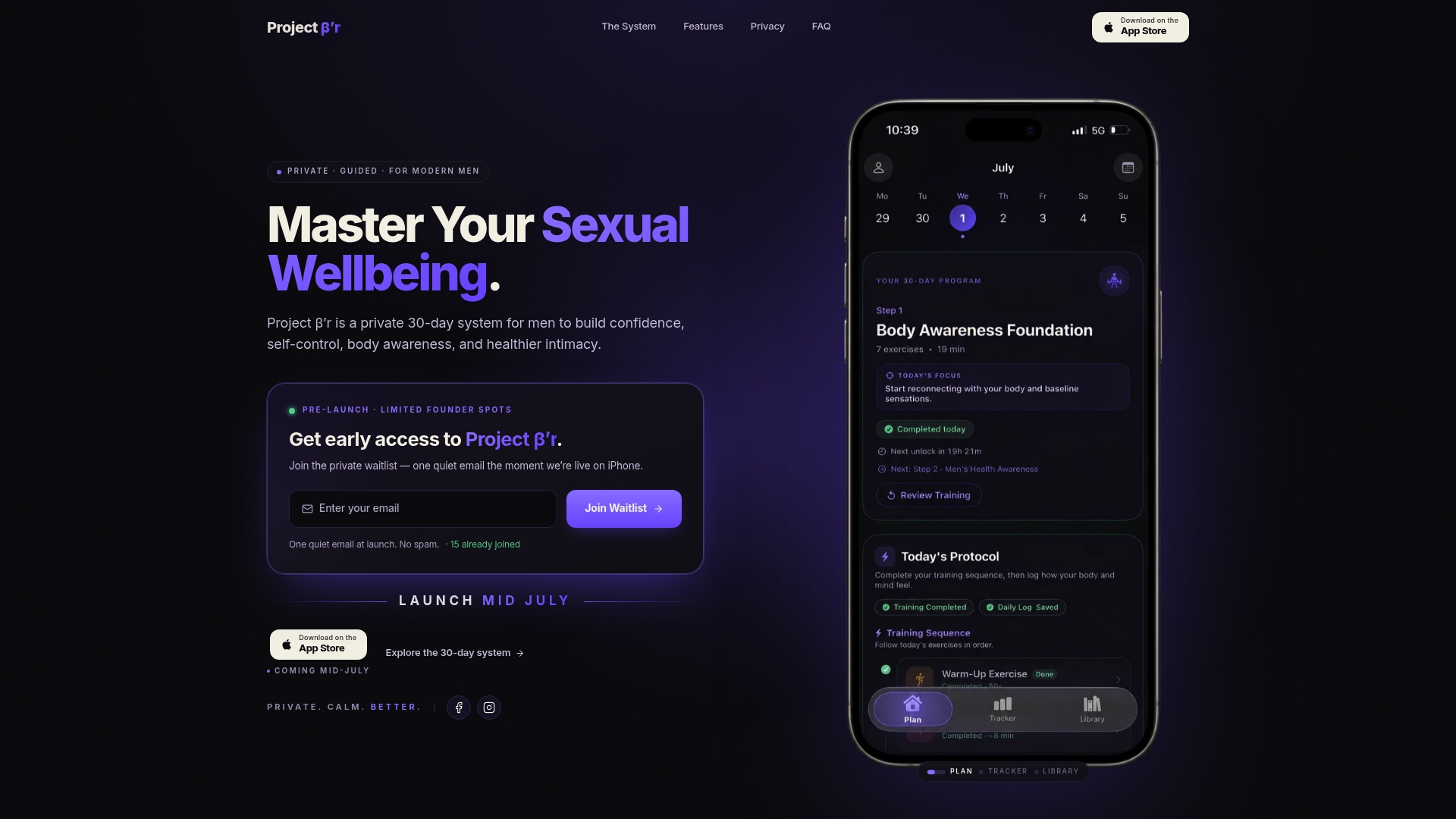
The Projectbetter program combines movement exercises, pelvic floor training, and guided reflections into a private daily protocol. It addresses performance pressure, low sexual confidence, and impulsive habits with the same evidence-based, judgment-free approach you find in the best intimacy PDFs. If you want to build on what you have learned here and work through a structured system designed specifically for men, Projectbetter is built for that. Private. Calm. Better.
FAQ
What is an intimacy exercises PDF?
An intimacy exercises PDF is a structured, downloadable document containing guided practices for building emotional, physical, or erotic connection. These tools are designed for private, self-guided use by individuals or couples.
How often should couples use intimacy exercises?
Daily micro-practices of 5–15 minutes combined with weekly sessions of 30–60 minutes produce the most consistent results. Regular, short practices build more lasting connection than occasional long sessions.
Are intimacy exercises PDFs effective without a therapist?
Yes. Many therapist-endorsed exercises, including the 36 Questions and Yes/No/Maybe inventories, are designed for self-guided use. Pairing them with professional support is beneficial but not required.
What should I do if an exercise feels uncomfortable?
Pause and name the feeling with your partner. Acknowledging emotions when discomfort arises is more effective than pushing through. The pause itself builds emotional safety.
Can men use intimacy exercises PDFs on their own?
Absolutely. Exercises like desire mapping and the 36 Questions adapt well for individual reflection. Solo use builds self-awareness that directly improves confidence and connection in relationships.