Pornography Addiction: Signs, Evidence, and What to Do
“Pornography addiction” is not a formal diagnosis in the DSM-5 or DSM-5-TR, but that does not mean your concern is unfounded. The ICD-11 recognizes Compulsive Sexual Behavior Disorder (CSBD) as an impulse-control disorder, and pornography can be the specific behavior driving it. If your use feels out of control, is affecting your relationships or work, or causes you real distress, that is reason enough to act, regardless of what label a diagnostic manual uses.
Three steps to take right now:
- Pause and assess honestly. Ask yourself whether your use is causing concrete harm, not just guilt. Loss of control and functional impairment are the clinically meaningful markers.
- See a licensed clinician or your primary care provider if your functioning is affected. A brief appointment can clarify whether what you are experiencing meets criteria for CSBD and open the door to evidence-based care.
- Start a structured 7-day self-help plan (outlined later in this article) if professional access is limited. CBT-based self-help is a recognized alternative when face-to-face therapy is not immediately available.
Self-perceived pornography addiction is one of the most common reasons people seek sexual health support, and effective help exists at every level of severity.
Key Takeaways
Pornography addiction is not a DSM-5 diagnosis, but problematic pornography use is a recognized clinical concern under ICD-11’s CSBD criteria, and CBT-based treatment produces meaningful improvement when applied consistently.
| Point | Details |
|---|---|
| Diagnostic status | PPU/CSBD is recognized in ICD-11; DSM-5 does not list pornography addiction as a formal diagnosis. |
| Signs that warrant attention | Loss of control, continued use despite harm, and functional impairment are the clinically meaningful markers, not frequency alone. |
| First-line treatment | CBT is the recommended first-choice treatment; structured self-help programs are a recognized alternative when therapy is unavailable. |
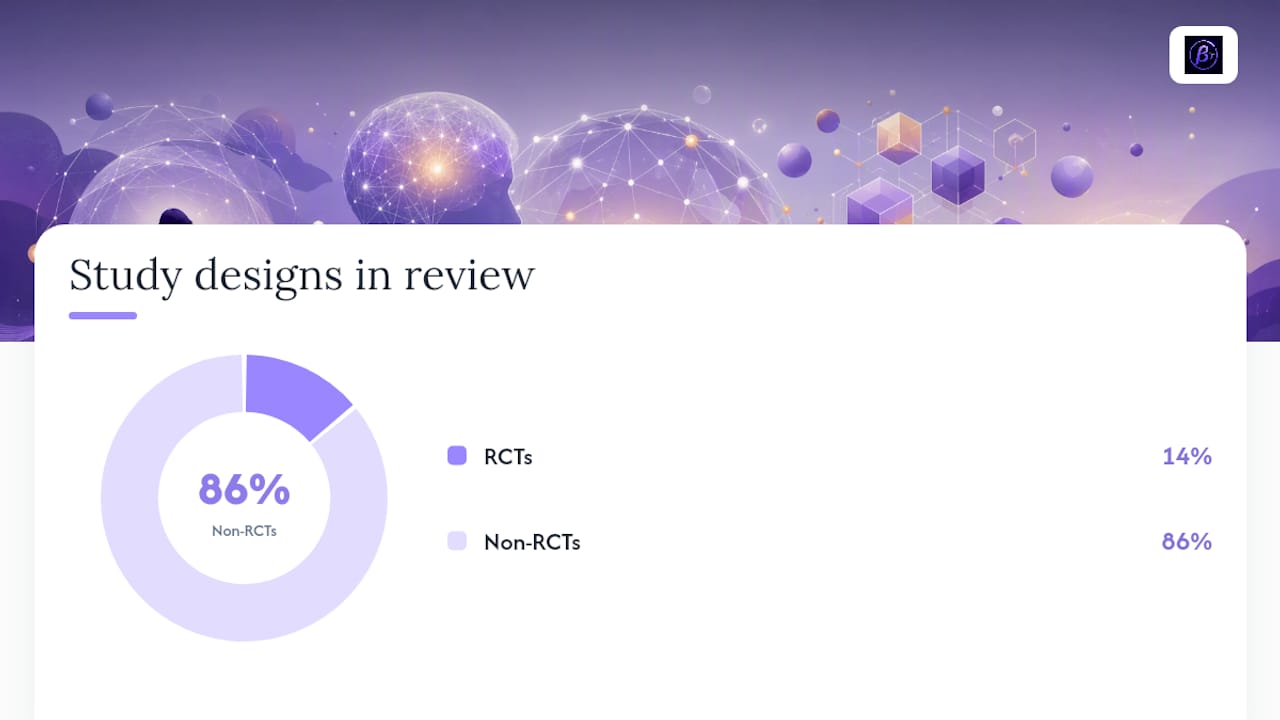
| Evidence quality | A systematic review of 28 studies found most treatment research is low quality; findings are promising but not definitive. |
| Projectbetter | Offers a private 30-day app-based program for men seeking structured daily support for habit control and self-awareness. |
Table of Contents
- What clinicians actually mean by pornography addiction, PPU, and CSBD
- How to recognize signs of pornography addiction in your own behavior
- What contributes to problematic pornography use: psychological, social, and situational drivers
- How common is problematic pornography use in the U.S.?
- Potential harms linked to problematic pornography use
- How clinicians assess PPU and when you should seek professional help
- Evidence-informed treatment options for pornography addiction
- Concrete steps you can start today: a 7-day starter plan
- How partners, friends, and family can respond constructively
- What systematic reviews and guidelines actually say about treatment quality
- Vetted resources and immediate contacts in the U.S.
- How pornography addiction differs from high sexual desire or frequent use
- How pornography use affects different age groups
- How social and cultural attitudes shape the perception of pornography addiction
- What long-term recovery from PPU actually looks like
- Limitations and controversies in current research and diagnostic criteria
- A perspective worth sitting with
- A private, structured option for men ready to take the next step
- Sources
- FAQ
What clinicians actually mean by pornography addiction, PPU, and CSBD
The phrase “pornography addiction” is widely used but clinically imprecise. The more accurate term clinicians use is problematic pornography use (PPU), defined by three core features: a perceived loss of control over use, continued use despite meaningful negative consequences, and functional impairment in daily life, relationships, or work. PPU is distinct from simply using pornography frequently or having a high sexual drive. Frequency alone does not define a problem; what matters is whether use is causing harm and whether you feel unable to stop.
Where the major diagnostic systems stand:
The DSM-5 and DSM-5-TR, published by the American Psychiatric Association, do not include pornography addiction or compulsive pornography use as a formal diagnosis. The DSM-5 listed “hypersexual disorder” as a proposed condition for further study but ultimately excluded it from the main text.
The ICD-11, published by the World Health Organization, takes a different position. It includes Compulsive Sexual Behavior Disorder as an impulse-control disorder, and pornography use can be the specific behavior that meets CSBD criteria. This is the closest thing to an official clinical home for what people commonly call pornography addiction.
One important complication is moral incongruence: the gap between a person’s values about pornography and their actual use. Research consistently shows that people who hold strong moral or religious objections to pornography are more likely to self-identify as “addicted” even when their use frequency and impairment levels are similar to those who do not identify that way. This does not mean their distress is not real. It means a clinician needs to distinguish between distress driven by loss of control versus distress driven by value conflict, because the treatment path differs.
How to recognize signs of pornography addiction in your own behavior
The following signs reflect the clinical criteria used to assess PPU and CSBD. They are not a diagnostic tool, but they can help you assess whether your use warrants professional attention.
Core behavioral and emotional signs:
- Repeated failed attempts to reduce or stop use
- Spending increasing amounts of time seeking, using, or recovering from pornography use
- Continuing to use despite clear negative consequences (relationship conflict, work problems, emotional distress)
- Escalating to more extreme or novel content to achieve the same effect
- Neglecting responsibilities, hobbies, or relationships because of use
- Feeling strong urges or cravings that are difficult to resist
- Experiencing irritability, restlessness, or anxiety when unable to use
- Secrecy, shame, or hiding use from people close to you
Quick self-assessment (yes/no):
- Has your use caused a specific, concrete problem in the past 30 days?
- Have you tried to cut back and failed more than once?
- Do you use pornography to cope with stress, loneliness, or low mood?
- Does your use feel automatic rather than chosen?
- Has a partner or family member expressed concern?
If you answered yes to two or more of these, a conversation with a clinician is worth having. Frequency matters far less than consequences. Someone who uses pornography daily without distress or impairment does not meet clinical criteria; someone who uses it weekly but cannot stop despite losing a relationship may well do so.
What contributes to problematic pornography use: psychological, social, and situational drivers
No single cause explains why some people develop PPU while others do not. Several categories of risk tend to cluster together.
Accessibility and novelty are enabling conditions rather than root causes. The internet places an effectively unlimited, free, and anonymous supply of pornography on every smartphone. Online pornography is among the most widely accessed content categories on the internet, which means exposure is near-universal and the barrier to escalation is low. Mobile access in particular removes the friction that once limited use.
Psychological risk factors carry more predictive weight. A nationally representative U.S. study of 2,773 adults found PPU correlates significantly with anxiety, depression, and loneliness, with interaction effects suggesting that loneliness combined with frequent use increases vulnerability beyond either factor alone. Trauma history, impulsivity, and pre-existing mental health conditions are also commonly associated. Many people use pornography as a coping mechanism for emotional pain, which is where the habit-formation cycle tends to take hold.
Social and cultural drivers include relationship dissatisfaction, poor communication about sexual needs, and the moral incongruence discussed earlier. Religious or community environments that treat any pornography use as a moral failure can intensify shame and paradoxically increase compulsive patterns by making open discussion impossible.
Neurobiological mechanisms play a supporting role. Repeated pornography use activates the brain’s reward circuitry in ways that reinforce habit formation, similar to other behavioral patterns involving novelty and dopamine release. This does not mean pornography “rewires the brain” in a permanent or irreversible sense; the evidence for that claim is weaker than popular accounts suggest. What the neuroscience does support is that reward-learning and habit loops can make the behavior feel automatic over time.

How common is problematic pornography use in the U.S.?
Prevalence estimates for PPU vary considerably depending on how the condition is defined, which population is sampled, and whether self-report or clinical criteria are used. That variability is itself informative: it reflects genuine scientific disagreement about where “problematic” begins.
These figures come from a body of research that uses inconsistent definitions, which is why the ranges are wide. A systematic review found that definitions of self-perceived pornography addiction vary widely across studies, making direct comparisons unreliable. Self-report studies tend to produce higher estimates than clinician-assessed studies. Men report PPU at higher rates than women across virtually all samples, though whether that reflects true prevalence differences or reporting differences is not fully resolved.
The practical takeaway: PPU is not rare, but it is also not universal among people who use pornography. The majority of people who use pornography regularly do not meet clinical criteria for CSBD or PPU.
Potential harms linked to problematic pornography use
The effects of pornography addiction, or PPU more precisely, span mental health, relationships, sexual function, and daily functioning. Most findings are correlational, meaning the research shows association rather than proof of causation.
Mental health associations are among the most consistent findings. The U.S. nationally representative study cited earlier found significant positive correlations between PPU and anxiety, depression, and loneliness. The direction of causation is unclear: depression and loneliness may drive increased use, increased use may worsen mood, or both may be true simultaneously. What the data does not support is dismissing these associations as trivial.
Relationship effects are frequently reported and clinically significant. Partners of people with PPU often describe reduced trust, feelings of inadequacy, and decreased sexual intimacy. Sexual expectations shaped by pornography content can create pressure and dissatisfaction in real relationships, particularly when content depicts scenarios that do not reflect mutual, consensual intimacy. For a deeper look at how impulsive habits affect relationships, the patterns involved in PPU often mirror broader behavioral cycles that respond to structured intervention.
Sexual function concerns are reported by some men with PPU, including reduced arousal with partners or delayed ejaculation. These concerns may be related to PPU, to anxiety, or to other causes entirely. A clinician can help distinguish between them. Pelvic floor health and intimate wellness are worth assessing when sexual function concerns persist.
Occupational and legal consequences represent the more severe end of the spectrum. Accessing pornography at work, financial expenditure on paid content, and in rare cases accessing illegal material are documented consequences in clinical populations. These represent clear red flags for immediate professional help.
How clinicians assess PPU and when you should seek professional help
Clinical assessment for PPU or CSBD typically focuses on four dimensions: perceived loss of control, escalation patterns, negative consequences, and functional impairment. Moral distress alone, without impaired control or functioning, generally does not meet CSBD criteria under ICD-11 guidance.
Red flags that mean you should seek care now:
- Your use has created legal risk (accessing illegal content, use at work)
- You are experiencing suicidal thoughts or severe depression connected to your use
- A relationship has ended or is at serious risk because of your use
- You have tried to stop multiple times and cannot sustain more than a few days
- Your use is affecting your job performance or finances
- You are using pornography to cope with trauma, grief, or severe anxiety
- You feel unable to be sexually intimate with a partner without pornography
What to bring to a first appointment:
- A rough timeline of when use began to feel out of control
- Two or three specific examples of consequences (relationship, work, emotional)
- Any relevant mental health history or current medications
- A note on whether you have tried to stop before and what happened
Being specific helps a clinician distinguish PPU from moral incongruence and from other conditions that may be driving the behavior. You do not need a diagnosis to receive help; distress and impaired functioning are sufficient grounds for care.
Evidence-informed treatment options for pornography addiction
Clinical guidelines recommend Cognitive Behavioral Therapy (CBT) as the first-choice treatment for pornography use disorder and CSBD. Psychoeducational or CBT-based self-help programs are recognized alternatives when face-to-face therapy is not immediately available. Pharmacological options may be considered when psychotherapy has not been effective, though the evidence base for medication remains limited and inconsistent.
| Treatment modality | Evidence strength | Typical indication | Durability notes |
|---|---|---|---|
| Individual CBT | Strongest available | First-line; loss of control, functional impairment | Best when combined with relapse prevention |
| ACT / mindfulness-based | Moderate; limited trials | Values clarification, emotional regulation | Promising but fewer studies |
| Group CBT | Moderate; resource-efficient | Moderate severity; social support needed | Adherence varies; dropout common |
| Online CBT-based self-help | Moderate; adherence challenges | When face-to-face therapy unavailable | Completion rates lower than in-person |
| Naltrexone / opioid antagonists | Preliminary; inconsistent | When psychotherapy has failed | Effects may not persist after stopping |
| SSRIs | Preliminary; inconsistent | Comorbid depression or anxiety | Not specific to PPU; adjunctive use |
A systematic review of 28 treatment studies found that most research in this area is low quality, with significant risk of bias and only four randomized controlled trials. Psychological interventions dominate the literature. Pharmacological evidence, particularly for naltrexone and SSRIs, remains preliminary, and effects may not persist after discontinuation.
How to choose a therapist: Look for a licensed clinician with specific experience in sexual behavior issues or compulsive behaviors. Ask directly whether they use CBT or ACT approaches, how they handle confidentiality, and whether they have experience distinguishing PPU from moral incongruence. Telehealth options through platforms that connect you with licensed therapists are widely available in the U.S. and can reduce the barrier of in-person disclosure.
For a structured overview of how to stop compulsive sexual behavior, CBT-based stepwise approaches offer a practical starting framework before or alongside formal therapy.
Concrete steps you can start today: a 7-day starter plan
Blocking software alone rarely solves the problem. Experts emphasize that long-term change requires addressing the triggers and emotional drivers underneath the behavior, not just restricting access. The goal of this starter plan is to build a brief, conscious pause between urge and action.
7-day starter plan:
- Day 1: Write down your three most common triggers (time of day, emotional state, location, device). No action required yet, just observation.
- Day 2: Set one device boundary (e.g., phone out of the bedroom at night, content filter on your browser). Pair it with a replacement activity for the same time slot.
- Day 3: Practice one 5-minute grounding exercise when an urge arises: five slow breaths, name five things you can see, brief physical movement. This builds the pause.
- Day 4: Journal for 10 minutes on what you were feeling in the hour before your last urge. Mood tracking reveals patterns faster than memory alone.
- Day 5: Replace one high-risk routine with a short walk or physical exercise. Movement is one of the most reliable urge-interruption tools available.
- Day 6: Make one social check-in, a call, a message, or an in-person conversation. Loneliness is a primary driver; connection is a direct counter.
- Day 7: Review the week. Which triggers appeared most often? Which replacement worked? Set one specific goal for the next seven days.
Tools checklist:
- Content blockers: Covenant Eyes, Circle, or built-in iOS Screen Time settings
- Journaling prompts: “What was I feeling before the urge?” and “What did I actually need?”
- Grounding techniques: box breathing, cold water on the face, brief outdoor walk
- Anonymous support: Sex Addicts Anonymous (SAA) meetings, available online and in-person across the U.S.
- CBT workbooks: available through university counseling centers and public libraries
Pro Tip: Blocking access without addressing the emotional trigger is like putting a lock on the refrigerator without addressing hunger. Pair every restriction with a specific plan for what you will do instead when the urge arrives.
How partners, friends, and family can respond constructively
Supporting someone with PPU requires balancing honesty with care. Shame-based confrontations tend to increase secrecy rather than reduce it. The goal is to open a door, not close one.
What to say and what to avoid:
Effective language focuses on observable impact rather than moral judgment. “I’ve noticed you seem distant, and I’m worried about us” lands differently than “You’re addicted and it’s disgusting.” The first invites conversation; the second triggers defensiveness. Avoid ultimatums in the heat of the moment; they are most effective when they reflect a genuine, considered boundary rather than a reaction.
Practical support steps:
- Offer to help find a therapist rather than demanding the person fix it alone
- Suggest couples therapy if the relationship has been affected; a neutral space helps both partners process impact
- If there is a legal or occupational risk, encourage immediate professional contact, not just self-help
- Set clear personal boundaries about what you will and will not accept, and hold them consistently
Self-care for supporters:
- Individual counseling for partners is not optional; secondary trauma from discovering PPU is real
- S-Anon and COSA are U.S.-based support groups specifically for partners and family members
- University counseling resources offer practical guidance and referral options for both the person affected and those close to them
What systematic reviews and guidelines actually say about treatment quality
The honest summary of the treatment evidence is this: the research base is growing but remains limited in quality.
The 2023 systematic review of 28 treatment studies found that most studies were low quality, at high risk of bias, and based on small samples. Only four randomized controlled trials were included. CBT-based interventions dominate the literature and show the most consistent positive results, but “most consistent” in a low-quality evidence base still means cautious optimism rather than certainty.
Key finding from the evidence review: Psychological interventions, particularly CBT variants, are the most studied and most supported treatments for PPU and CSBD. Pharmacological options remain adjunctive at best. The field is limited by inconsistent definitions, small samples, predominantly male and Western samples, and reliance on self-report measures. Readers should treat treatment recommendations as evidence-informed guidance rather than established clinical certainty, and prioritize working with a qualified clinician who can individualize care.
Research gaps that matter for you as a reader:
- Most studies sample predominantly young, Western, heterosexual men; findings may not generalize to women, older adults, or other demographics
- Cross-sectional designs dominate, meaning causality cannot be established
- Definitions of PPU vary so widely across studies that pooling results is methodologically problematic
- Online self-help programs show promise but have significant dropout and adherence problems in trials
Practical implication: When choosing a treatment path, prioritize approaches with the most consistent evidence (individual CBT, structured self-help programs) over those with appealing theoretical rationales but thin trial data. Imperfect evidence still points in a clear direction: structured psychological intervention works better than willpower alone.
Vetted resources and immediate contacts in the U.S.
If you are in crisis right now: Call or text 988 (Suicide and Crisis Lifeline) if your distress involves thoughts of self-harm. For non-crisis mental health support, the SAMHSA National Helpline (1-800-662-4357) provides free, confidential referrals 24/7.
Three vetted resource types:
-
University counseling centers offer free or low-cost assessment and referral for students and, in many cases, community members. UT Dallas Student Counseling Center provides practical guidance on signs, strategies, and referrals.
-
Professional directories: The American Association of Sexuality Educators, Counselors and Therapists (AASECT) maintains a directory of certified sex therapists across the U.S. The Psychology Today therapist finder allows filtering by specialty, including sexual compulsivity.
-
Anonymous support groups: Sex Addicts Anonymous (SAA) holds in-person and online meetings across the U.S. and internationally. Meetings are free, anonymous, and do not require a formal diagnosis to attend.
Telehealth note: Platforms connecting you with licensed therapists via video or text are widely available in the U.S. and can significantly reduce the disclosure barrier for sexual health concerns. Many accept insurance; others offer sliding-scale fees.
How pornography addiction differs from high sexual desire or frequent use
This distinction matters clinically and practically. High sexual desire, sometimes called hypersexuality in casual usage, refers to a strong but controlled interest in sex or sexual content. Frequent pornography use without distress or impairment is not PPU. The defining line is control and consequences, not frequency or desire level.
A person who uses pornography several times a week, feels comfortable with that use, and experiences no negative consequences in their relationships or functioning does not meet criteria for PPU or CSBD. A person who uses it once a week but feels unable to stop, hides it from a partner, and experiences significant shame or relationship damage may well meet criteria.
Moral incongruence complicates this further. Someone who believes pornography use is always wrong will experience distress from any use, regardless of frequency or impairment. That distress is real and worth addressing, but the treatment focus differs: values clarification and acceptance-based approaches tend to be more useful than control-focused CBT in those cases.
How pornography use affects different age groups
Adolescents and young adults are the demographic most affected by early and frequent exposure. Adolescent brains are still developing reward circuitry and impulse regulation, which means habit formation around pornography use can occur more rapidly and with less conscious awareness than in adults. Early exposure to pornography is associated with distorted sexual expectations, though the causal direction of that relationship is debated.
Young adults (18–25) show the highest rates of self-perceived pornography addiction in survey data, often exceeding rates in older adults. Whether this reflects genuinely higher rates of PPU or greater awareness and willingness to self-label is unclear. What is clear is that this age group is also the most likely to seek help through digital and app-based resources rather than in-person clinical settings.
Older adults are underrepresented in PPU research. Relationship context changes with age, and PPU in long-term partnerships often presents differently than in single younger adults, with partner discovery and relationship repair being more central concerns.
How social and cultural attitudes shape the perception of pornography addiction
Culture shapes both who develops PPU and who seeks help for it. In communities where pornography use carries strong moral stigma, shame tends to intensify compulsive patterns rather than reduce them. The secrecy required to maintain use in a disapproving environment removes the social accountability that might otherwise moderate behavior.
Religious affiliation is one of the strongest predictors of self-perceived pornography addiction in survey data, independent of actual use frequency. This is the moral incongruence effect described earlier: the label “addiction” is applied more readily when use conflicts with deeply held values, even when clinical criteria are not met.
Stigma also affects help-seeking. Men in particular are less likely to disclose sexual health concerns to a clinician, and the cultural framing of pornography use as a moral failing rather than a health issue increases that reluctance. Framing PPU as a behavioral health concern, not a character flaw, is not just compassionate language. It is clinically more accurate and more likely to result in someone actually getting help.
What long-term recovery from PPU actually looks like
Long-term prognosis for PPU is cautiously positive, particularly for people who engage with structured psychological treatment. The evidence base is too limited to state precise recovery rates, but the pattern across studies is consistent: people who complete CBT-based programs show meaningful reductions in use, distress, and functional impairment.
Recovery is rarely linear. Relapse, defined as returning to problematic use after a period of control, is common and does not indicate treatment failure. The clinical goal is not permanent abstinence in most cases but rather restored control and reduced harm. Many people with PPU continue to use pornography at lower, non-problematic levels after treatment; others choose abstinence as a personal goal aligned with their values.
The factors most associated with sustained improvement are consistent across behavioral health conditions: engagement with structured treatment, social support, addressing underlying mental health conditions (particularly depression and anxiety), and developing specific coping skills for high-risk situations. Willpower alone, without skill-building and support, tends to produce short-term change followed by relapse.
Limitations and controversies in current research and diagnostic criteria
The field of pornography addiction research is genuinely contested, and readers deserve an honest account of why.
The central controversy is definitional. Definitions of self-perceived pornography addiction vary widely across studies, making it difficult to compare findings or draw firm conclusions. Some researchers argue that “pornography addiction” is a meaningful clinical construct supported by neurobiological and behavioral evidence. Others argue that the evidence for a true addiction model is weak and that the label pathologizes normal behavior, particularly in morally conservative populations.
The ICD-11’s inclusion of CSBD represents a compromise: it recognizes compulsive sexual behavior as a clinical problem without endorsing the full addiction model. The DSM-5’s exclusion reflects the American Psychiatric Association’s judgment that the evidence was insufficient at the time of publication.
Gender bias in research samples is a significant limitation. Most studies have been conducted on young men, and findings may not generalize to women, older adults, or LGBTQ+ populations. The reliance on self-report measures, cross-sectional designs, and convenience samples further limits what can be concluded. Readers and clinicians should treat the current evidence as a foundation for informed clinical judgment, not a settled scientific consensus.
A perspective worth sitting with
The most important thing we can say about pornography addiction, or PPU, or whatever label feels most honest to you, is this: the label matters far less than whether your behavior is causing you harm and whether you feel in control of it.
The research does not support catastrophizing. Most people who use pornography do not develop PPU. For those who do, structured help works. CBT-based approaches, self-help programs, and honest clinical conversations produce real change. The evidence is imperfect, but the direction is clear.
What we find most worth noting is how often shame delays help-seeking by years. The framing of pornography use as a moral failure rather than a behavioral health concern keeps people from having a straightforward conversation with a clinician that could change their trajectory in a single appointment. You do not need to have hit a crisis point to deserve support. Noticing that something feels out of control, and deciding to address it, is itself a form of self-awareness that the research consistently identifies as a predictor of positive outcomes.
Small, structured steps matter more than dramatic declarations. A 7-day plan, a single honest conversation, a first therapy appointment: these are the actual mechanisms of change.
A private, structured option for men ready to take the next step
If you are an adult man looking for a private, structured way to address impulsive habits and build greater self-control, Projectbetter’s 30-day app-based program offers daily protocols designed specifically for that goal. The program includes guided pelvic floor training, movement exercises, daily challenges, mood and habit logging, and self-reflection tools, all within a private iOS environment that requires no in-person disclosure.
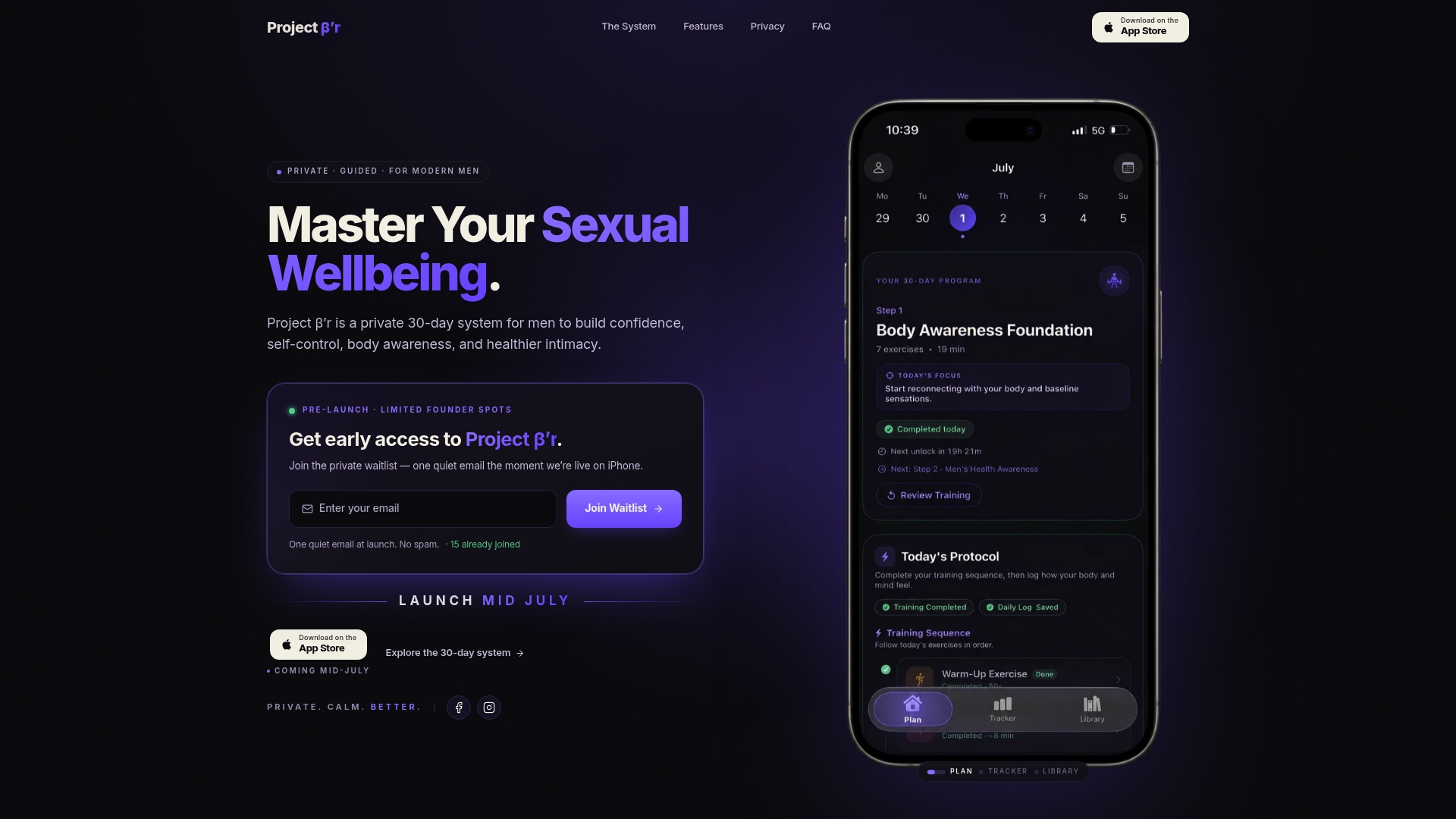
Projectbetter is built for men who want a calm, structured starting point: not a replacement for clinical care when red flags are present, but a concrete daily framework for building awareness and control. If you are experiencing any of the red flags listed earlier in this article (legal risk, suicidal thoughts, inability to stop despite serious consequences), please contact a licensed clinician or call SAMHSA at 1-800-662-4357 first.
For men who are ready to build better habits privately and consistently, the Projectbetter 30-day program is available now with a free trial.
Sources
The following sources underpin the evidence review in this article and are recommended for deeper study:
- When Pornography Becomes a Problem | Northwestern Medicine
- Treatment Approaches for Problematic Pornography Use: A Systematic Review
- Problematic Pornography Use and Psychological Distress in the USA: A Nationally Representative Study
- Pornography Addiction in Adults: A Systematic Review of Definitions and Reported Impact
- Pornography Addiction – Student Counseling Center | UT Dallas
This article is general information, not a substitute for advice from a qualified doctor. Consult a qualified healthcare professional about your own circumstances before acting on anything here.
FAQ
What causes pornography addiction?
PPU typically develops from a combination of psychological vulnerability (loneliness, depression, anxiety, trauma), easy digital access, and habit-formation through repeated reward-seeking. No single cause applies to everyone; most cases involve several overlapping factors.
What does problematic pornography use look like?
The clearest signs are repeated failed attempts to stop, continued use despite concrete negative consequences, and a sense that the behavior is automatic rather than chosen. Frequency matters less than loss of control and functional impairment.
How do you overcome pornography addiction?
CBT-based therapy is the most evidence-supported approach, either with a licensed clinician or through a structured self-help program. Pairing access restrictions with trigger-focused coping skills, social support, and addressing underlying mental health concerns produces the most durable results.
Is pornography addiction a real medical diagnosis?
The ICD-11 recognizes Compulsive Sexual Behavior Disorder as an impulse-control disorder, and pornography can be the specific behavior involved. The DSM-5 and DSM-5-TR do not list it as a formal diagnosis. The clinical concern is real; the label remains contested.
When should someone seek professional help for pornography use?
Seek help when use is causing functional impairment (relationship breakdown, job risk, financial harm), when you have tried to stop multiple times without success, or when distress is severe enough to affect daily life or mental health.