Sexual Wellness Resources for Men: A 30-Day Guide
TL;DR:
- Effective sexual wellness resources for men combine daily practice, evidence-based education, and privacy. They address both psychological and physical aspects of sexual confidence, promoting lasting improvement through structured routines.
What are the best sexual wellness resources for men?
The most effective sexual wellness resources for men combine structured daily practice, evidence-based education, and private, judgment-free access. They address both the psychological and physical sides of sexual confidence, not just one or the other.
Here is what a well-rounded approach includes:
- A structured daily program with movement exercises, pelvic floor training, and guided reflections
- Mindfulness and breathwork to shift your nervous system out of stress mode and into a state where arousal can actually occur
- Habit and mood tracking to build self-awareness over time, the same way a fitness routine builds physical strength
- Educational content grounded in research from sexual health educators and clinical professionals
- Privacy by design so you can engage honestly without fear of judgment
Trusted U.S. organizations like the American Sexual Health Association (ASHA) and the National Coalition for Sexual Health offer free preventive care guides and clinic finders. For men who want a private, structured program rather than scattered reading, Projectbetter’s 30-day iOS app brings all of these elements together in one daily protocol.
Professional clinical support remains valuable alongside any self-directed program, particularly when medical conditions or persistent anxiety are involved.
Table of Contents
- 1. What does sexual wellness actually mean for men?
- 2. What evidence-based methods actually build sexual confidence?
- 3. How does a structured 30-day program support men’s sexual wellbeing?
- 4. Where can men in the U.S. find trustworthy sexual health resources?
- Projectbetter offers a private path to real progress
- Key Takeaways
- FAQ
1. What does sexual wellness actually mean for men?
Sexual wellness goes well beyond the absence of disease. The National Coalition for Sexual Health defines it as a state of physical, emotional, and relational wellbeing that includes the right to safe, pleasurable experiences. For men specifically, that definition often gets narrowed to performance, which is where the trouble starts.
“Many men mistakenly expect spontaneous desire rather than learning to create fertile conditions for desire to arise. How you feel about your body and the context you are in influences confidence more profoundly than physical mechanics.” — Dr. Emily Nagoski, Come As You Are
Common barriers men face include:
- Performance pressure rooted in cultural myths about how sex “should” look
- Stress and fatigue, which activate the fight-or-flight response and directly suppress arousal
- Body image concerns that create a cycle of self-monitoring during intimacy
- Shame and stigma that prevent men from seeking help or even acknowledging a problem
- Social myths that treat sexual confidence as innate rather than a learned skill
Mental health plays a central role here. Chronic stress, anxiety, and low mood all reduce the physiological readiness for sexual response. Fatigue compounds this further, and many men do not connect their sleep or stress habits to what happens in the bedroom.
2. What evidence-based methods actually build sexual confidence?
Sexual dysfunction is commonly linked to psychological factors like stress, body image, and performance pressure, not just physical causes. That means the most effective approaches work on both levels simultaneously.
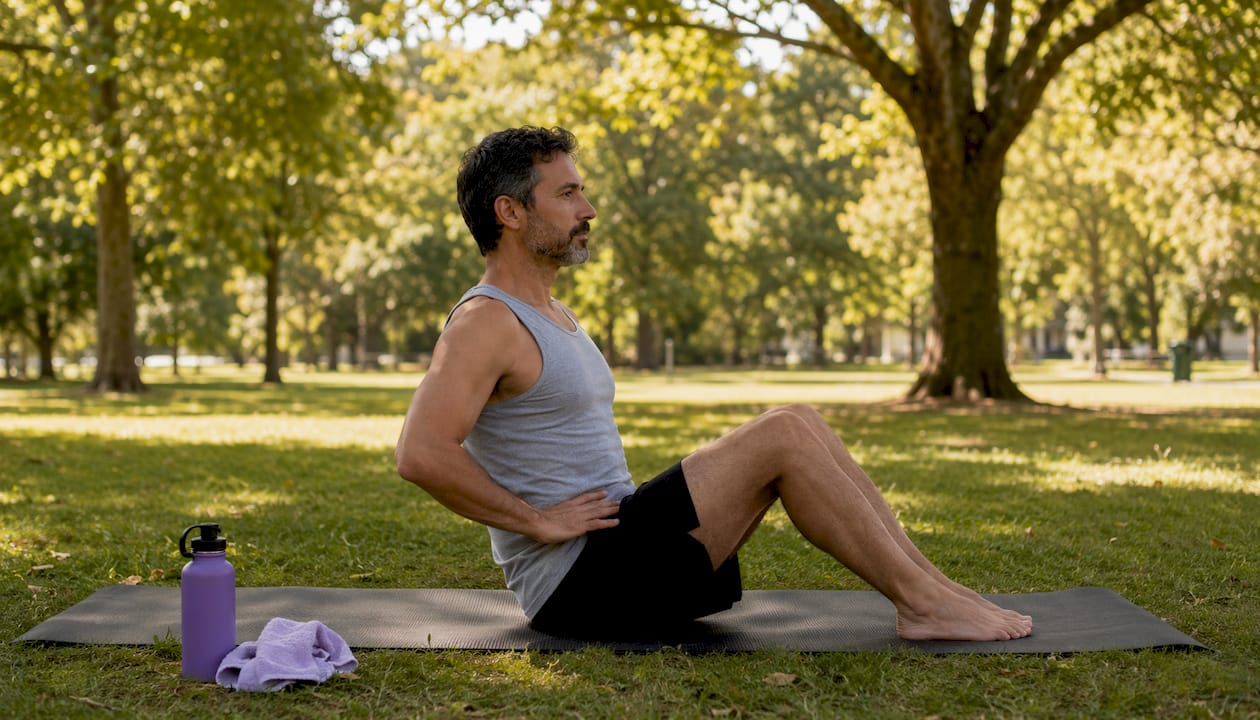
Dr. Nicole McNichols, whose work draws on years of teaching human sexuality research, argues that confidence is a learnable skill, built through shame-free tools that shift focus from performance to self-awareness and pleasure.
Key evidence-based approaches include:
- Pelvic floor training: Regular Kegel exercises improve blood flow, control, and body awareness. Pelvic floor work is one of the most underused tools in men’s sexual health.
- Mindfulness practice: Redirecting attention from anxious self-monitoring to present-moment sensation reduces performance pressure measurably.
- Breathwork: Slow, diaphragmatic breathing activates the parasympathetic nervous system, which is the physiological state required for natural arousal.
- Habit and mood tracking: Logging daily patterns reveals connections between lifestyle and sexual wellbeing that are otherwise invisible.
- Communication skills: Learning to express needs and boundaries clearly reduces relational tension that often shows up as low desire.
| Approach | Primary benefit | How to practice daily |
|---|---|---|
| Pelvic floor exercises | Improved control and body awareness | — |
| Mindfulness | Reduced self-monitoring and anxiety | — minutes of focused breathing |
| Mood and habit logging | Pattern recognition over time | 2-minute daily check-in |
| Breathwork | Parasympathetic activation for arousal | Box breathing before intimacy |
| Communication practice | Reduced relational tension | One honest conversation per week |
Consistency matters more than intensity. The National Coalition for Sexual Health notes that tracking pelvic floor engagement, mindfulness, and mood supports progress similarly to how physical fitness routines build strength over time.
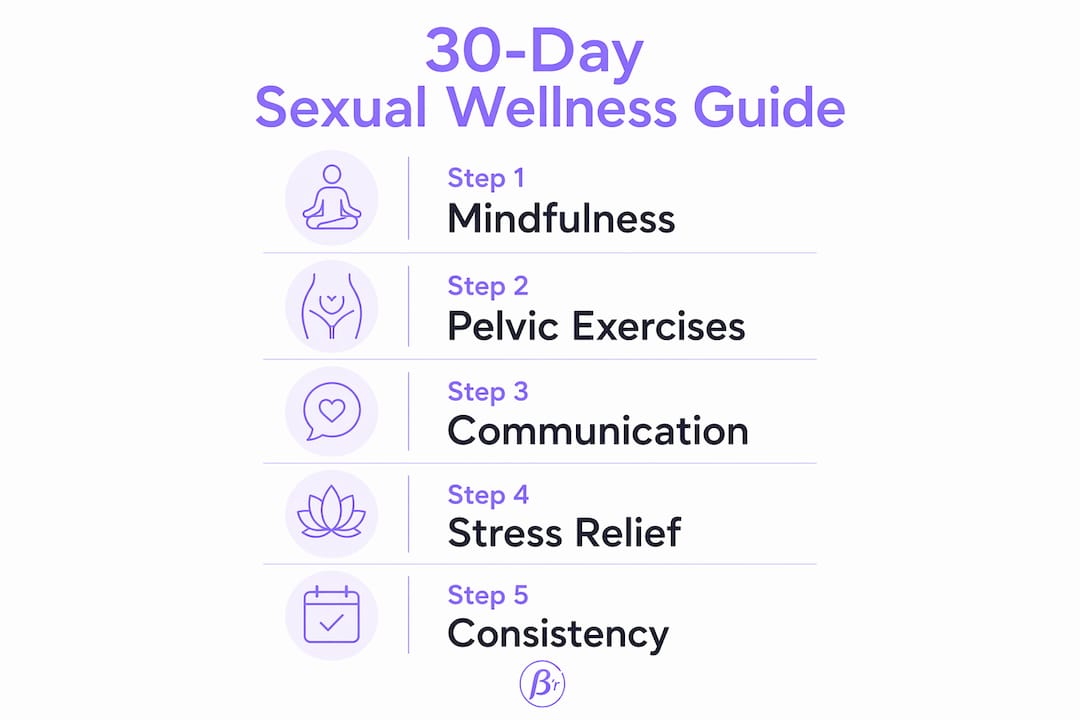
3. How does a structured 30-day program support men’s sexual wellbeing?
A structured program works because it removes the guesswork. Instead of reading scattered articles and hoping something sticks, you follow a daily sequence that builds on itself. Projectbetter’s 30-day iOS program is designed precisely around this principle.
Each day in the program includes:
- Movement exercises that connect physical awareness to sexual confidence
- Guided pelvic floor training with clear, progressive instruction
- Audio meditations to calm the nervous system and reduce performance anxiety
- Self-reflection prompts that build emotional self-awareness gradually
- Mood and habit logging to track progress without judgment
- Educational content on sexual health topics drawn from clinical research
Sexual wellness programs succeed when they focus on physiological and emotional conditions rather than immediate performance outcomes. Small, consistent daily actions build the internal states that support arousal and confidence over time. — National Coalition for Sexual Health
Privacy is built into the design. The program runs entirely on your phone, with no public profile, no group sessions, and no requirement to disclose anything to anyone. For men who feel shame or hesitation about seeking help, that privacy is often what makes engagement possible in the first place.
Plateaus are normal. The American Sexual Health Association notes that wellness is a dynamic process, not a straight line upward. Awareness of this helps men stay consistent rather than abandoning a program at the first sign of a slow week.
Pro Tip: If you find a particular day’s exercise difficult, repeat it rather than skipping ahead. Repetition builds the neural pathways that make new habits feel natural.
4. Where can men in the U.S. find trustworthy sexual health resources?
Knowing where to look is half the work. The U.S. has several reputable organizations that provide free, science-based guidance without shame or stigma.
- American Sexual Health Association (ASHA): Offers science-based information on STI testing, sexual pleasure, and preventive care. Their clinic finder helps men locate professional sexual health services nearby.
- National Coalition for Sexual Health: Publishes a free preventive services guide covering screenings, provider conversations, and sexual health rights.
- Planned Parenthood: Provides accessible information on sexual dysfunction, arousal, and healthy relationships.
“Seeking professional help for sexual concerns is a proactive, standard step toward long-term wellness, not a sign that something is seriously wrong.” — American Sexual Health Association
For men dealing with anxiety, depression, or relationship stress that affects their sexual health, professional counseling offers clinical support that complements self-directed programs. A therapist who specializes in sexual health can address deeper psychological patterns that daily exercises alone may not resolve.
When to seek medical help:
- Persistent erectile difficulties lasting more than a few weeks
- Sudden changes in libido without an obvious lifestyle cause
- Pain during sexual activity
- Concerns about STIs or reproductive health
Privacy tips when accessing resources:
- Use incognito browsing when researching sensitive topics
- Ask your provider explicitly about confidentiality policies
- Choose telehealth options if in-person visits feel uncomfortable
Sexual wellness books and educational materials also serve as a valuable library for self-directed learning. Dr. Emily Nagoski’s Come Together addresses how stress and body image block desire in long-term relationships. Dr. McNichols’s work offers a practical, shame-free framework for building sexual confidence as a practiced skill.
Projectbetter offers a private path to real progress
Most men know they want to feel more confident and in control. What they need is a structured, private way to get there, without a waiting room, a group class, or a generic reading list.
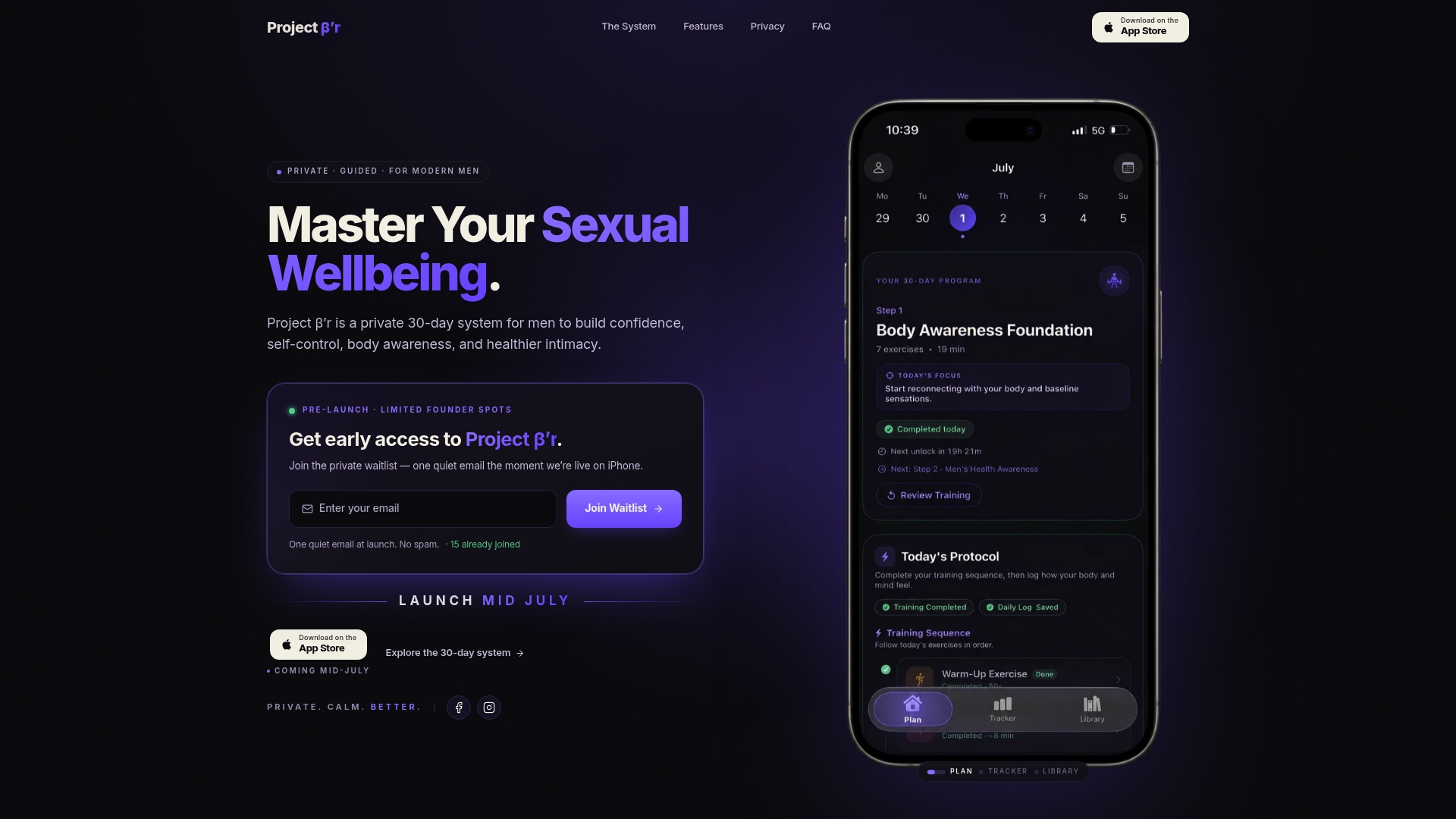
Projectbetter is a 30-day iOS program built specifically for men who want to work on their sexual wellbeing privately and consistently. Each day takes only a few minutes: a movement exercise, a pelvic floor session, a short reflection, and an audio meditation. The program tracks your mood and habits so you can see real patterns over time, not just feel like you are going through the motions.
The content is grounded in clinical research and designed by sexual health professionals. There is no public profile, no community feed, and no pressure to share anything. Just you, a structured daily protocol, and gradual, measurable progress. Subscription plans are available weekly, monthly, and annually through Apple In-App Purchases, with a free trial to start.
Start your free trial and see what 30 days of consistent, private practice actually feels like.
Key Takeaways
A structured, evidence-based daily program addressing both psychological and physiological factors is the most effective approach to building lasting sexual confidence in men.
| Point | Details |
|---|---|
| Sexual wellness is multidimensional | It includes emotional, physical, and relational wellbeing, not just the absence of dysfunction. |
| Stress directly blocks arousal | Fight-or-flight activation suppresses sexual response; breathwork and mindfulness counteract this. |
| Confidence is a learned skill | Evidence-based, shame-free daily practice builds sexual confidence the same way training builds fitness. |
| Plateaus are normal | The American Sexual Health Association confirms that wellness progress is dynamic, not linear. |
| Projectbetter offers a private 30-day program | Daily exercises, pelvic floor training, and guided reflections support measurable progress for men. |
FAQ
What are sexual wellness resources for men?
Sexual wellness resources are structured tools, programs, and educational materials that help men improve sexual confidence, address dysfunction, and build healthier intimacy through evidence-based daily practice.
How does pelvic floor training help men’s sexual health?
Pelvic floor exercises improve blood flow, body awareness, and muscular control, all of which support stronger sexual function and reduced performance anxiety over time.
Can stress really cause sexual problems in men?
Yes. Stress activates the fight-or-flight response, which directly suppresses the parasympathetic state required for natural arousal. Breathwork and mindfulness help reverse this effect.
Is a 30-day program enough to see real change?
Consistent daily practice over 30 days builds new habits and body awareness that create a measurable foundation for progress. Projectbetter’s program is designed around this principle, with mood and habit tracking to show you the change.
Where can men in the U.S. find confidential sexual health support?
ASHA’s clinic finder and the National Coalition for Sexual Health both offer free, stigma-free resources. For clinical support, telehealth counseling services provide private, professional help from home.