How to Stop Compulsive Sexual Behavior: 2026 Guide
TL;DR:
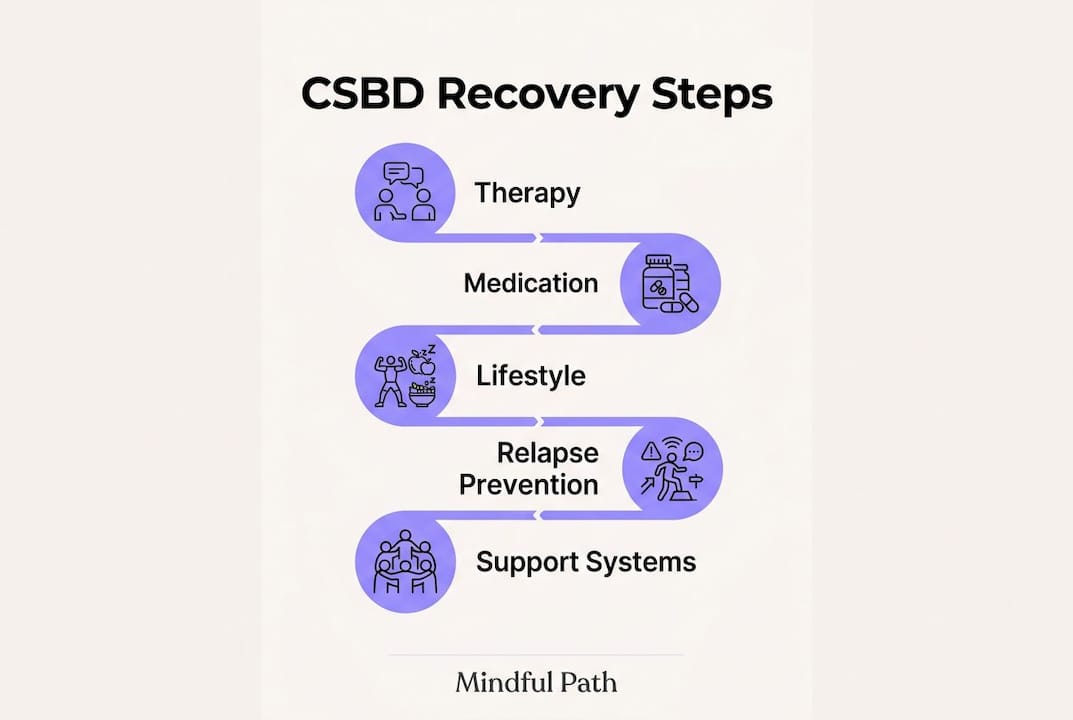
- Managing compulsive sexual behavior involves combining therapy, medication, lifestyle changes, and peer support for lasting recovery. Evidence-based treatments like cognitive behavioral therapy and off-label medications support reducing urges and preventing relapse. Daily routines and emotional regulation strategies are crucial for building control and maintaining progress.
Compulsive sexual behavior disorder (CSBD) is defined by the World Health Organization’s ICD-11 as an impulse control disorder marked by persistent, repetitive sexual urges that feel impossible to manage. Men who struggle with this pattern often experience real distress, damaged relationships, and a loss of self-control that affects every area of life. Knowing how to stop compulsive sexual behavior starts with understanding that recovery is not about shame or abstinence mandates. The most effective approaches combine evidence-based therapy, targeted lifestyle changes, and structured support. This guide covers all three, drawing on the latest 2026 clinical research.
What therapeutic approaches effectively stop compulsive sexual behavior?
Cognitive Behavioral Therapy (CBT) is the most widely supported treatment for CSBD. It works through three core components: psychoeducation, urge management, and relapse prevention. Sessions are individualized and typically weekly, giving you a structured space to identify the thought patterns that drive compulsive behavior.
Modern clinical sexology has moved away from the “sex addiction” label. Current treatment rejects abstinence-only models in favor of sex-positive, multi-modal care that addresses root causes like depression, shame, and moral incongruence. That shift matters because it means your goal is not to eliminate sexuality. It is to bring it into alignment with your values.
The main therapy options for overcoming sexual addiction include:
- Cognitive Behavioral Therapy (CBT): Targets distorted thinking, builds urge-surfing skills, and creates a relapse prevention plan tailored to your specific triggers.
- Acceptance and Commitment Therapy (ACT): Addresses the internal conflict between your sexual behavior and your personal values. ACT helps you observe urges without acting on them automatically.
- Couples therapy: Repairs relational damage and rebuilds intimacy. Most men with CSBD recover as outpatients through individual therapy combined with couples and peer support work.
- Group therapy: Reduces isolation, provides peer accountability, and normalizes the recovery process.
- Online therapy: Increases access for men who face barriers to in-person care, including privacy concerns or scheduling constraints.
Therapy goals are individualized, meaning your counselor works with you to define what healthier sexual expression looks like for you personally, not a one-size-fits-all standard.
Pro Tip: If you feel shame about seeking therapy, frame the first session as a consultation. You are gathering information, not committing to a label. That mental shift reduces the barrier to starting.
How can pharmacological treatments support managing compulsive sexual behavior?
Medication is not the first line of treatment for sexual compulsion. The World Federation of Societies of Biological Psychiatry (WFSBP) recommends a tiered approach based on severity. Understanding where you fall on that spectrum helps you and your psychiatrist make an informed decision.
| Severity level | Recommended approach |
|---|---|
| Mild | Psychotherapy alone |
| Moderate | SSRIs or naltrexone added to therapy |
| Severe | Combined medications plus intensive therapy |
All medications used for CSBD are off-label, meaning no drug has received regulatory approval specifically for this condition. That does not make them ineffective. It means the process requires psychiatric supervision and an individualized plan.
SSRIs reduce intrusive sexual thoughts by modulating serotonin. Naltrexone, an opioid antagonist, dampens the reward response that reinforces compulsive behavior. Neither works the same way for every man, and finding the right fit involves some trial and adjustment. The key point is that medication works best as a support to therapy, not a replacement for it.
Pro Tip: Before starting any medication, ask your psychiatrist to explain the expected timeline for effects and what side effects to watch for. That conversation reduces anxiety and improves adherence.
What lifestyle changes and coping strategies aid in breaking impulsive sexual habits?
Willpower alone does not break impulsive sexual habits. Multi-modal recovery requires exercise, mindfulness, and restructured routines to address urges at the behavioral level. These changes work alongside therapy and medication, not instead of them.
Four daily practices that build sexual self-control
- Regular physical exercise. Exercise releases endorphins and stabilizes mood, which directly reduces the emotional volatility that triggers compulsive urges. Aim for at least 30 minutes of moderate activity most days. Running, swimming, and resistance training all work.
- Mindfulness practice. Mindfulness builds the gap between an urge and a response. A daily 10-minute practice, using apps like Headspace or Insight Timer, trains you to observe a craving without immediately acting on it.
- Journaling. Writing about your urges, the situations that preceded them, and how you responded builds self-awareness over time. Patterns become visible on paper in ways they never do inside your head.
- Structured routines. Unstructured time is high-risk time. A consistent daily schedule reduces the idle moments when compulsive behavior is most likely to occur.
Managing your environment
Lifestyle changes like structured routines and internet use management improve outcomes and reduce relapse risk. Practical steps include setting screen time limits, using content filters on devices, and identifying the physical locations or emotional states that precede compulsive episodes.
- Avoid high-risk situations you can control, such as late-night unsupervised device use.
- Replace compulsive behavior with a competing activity you genuinely enjoy.
- Build a short list of people you can contact when urges feel unmanageable.
Emotion regulation deficits underlie compulsive sexual behavior, so learning adaptive coping skills is not optional. It is the core of lasting recovery. Working with a therapist to identify your specific emotional triggers gives you a map for the moments when self-control feels hardest.
You can also explore how sexual confidence and body awareness connect to your recovery, since rebuilding a healthy relationship with your own sexuality is part of the process.
How to maintain progress and prevent relapse in CSBD recovery?
Recovery from compulsive sexual behavior is not a straight line. Stress, loneliness, and emotional upheaval are the most common relapse triggers, and early identification of these states is the most reliable way to stay on track.
Relapse prevention works through consistent self-monitoring. Keep a simple weekly check-in with yourself: How stressed am I? Have I been isolating? Am I sleeping and exercising? These questions surface warning signs before they become crises.
“Recovery is not about achieving perfection. It is about building a life where compulsive behavior no longer fits. When you align your daily actions with your values, the urge to escape through compulsive sex loses its grip. Setbacks are data, not verdicts.”
Key strategies for long-term progress include:
- Booster therapy sessions. Returning to your therapist for periodic check-ins, especially after stressful life events, reinforces the skills you built in active treatment.
- Peer group involvement. Peer-led groups share coping strategies and normalize the recovery experience. Accountability to others sustains behavior change in ways that solo effort cannot.
- Values clarification. Regularly reconnecting with why recovery matters to you, whether that is your relationship, your health, or your self-respect, keeps motivation grounded in something real.
- Avoiding the willpower trap. Relying solely on willpower without changing your environment is the most common mistake men make. Environment design is not a shortcut. It is a clinical strategy.
Understanding how fatigue and stress affect your sexual health is also worth exploring, since physical exhaustion often lowers the threshold for compulsive behavior.
Key Takeaways
Stopping compulsive sexual behavior requires combining evidence-based therapy, targeted medication when needed, daily lifestyle changes, and consistent peer support to achieve lasting recovery.
| Point | Details |
|---|---|
| CBT is the first-line treatment | Start with cognitive behavioral therapy focused on urge management and relapse prevention. |
| Medication is tiered and off-label | SSRIs and naltrexone support moderate to severe cases but require psychiatric supervision. |
| Environment beats willpower | Restructure routines, manage device use, and reduce exposure to known triggers. |
| Peer support sustains progress | Group involvement and accountability reduce isolation and reinforce long-term behavior change. |
| Relapse is manageable | Early trigger identification and booster therapy sessions keep recovery on track after setbacks. |
What we have learned from working with men on this
The men who make the most progress share one thing in common. They stop treating recovery as a test of character and start treating it as a skill-building process. That distinction changes everything.
The clinical evidence is clear: CSBD is an impulse control disorder, not a moral failure. The ICD-11 classification matters because it shifts the frame from “what is wrong with me” to “what skills do I need to build.” That is a far more useful question. And it is one that therapy, structured routines, and community can actually answer.
What I have seen consistently is that shame slows recovery more than any other factor. Men who carry shame tend to hide their behavior, avoid therapy, and white-knuckle their way through urges until they relapse. Men who approach recovery with curiosity and self-respect build skills that last. The science supports sex-positive, individualized care. The goal is not a life without sexuality. It is a life where your sexuality serves you rather than controls you.
Setbacks will happen. They are not evidence that recovery is impossible. They are information about which skills need more work. Persistence, not perfection, is what the research consistently rewards.
— Projectbetter
Projectbetter supports men taking back control
Men working through compulsive sexual behavior need more than information. They need a private, structured system that meets them where they are.
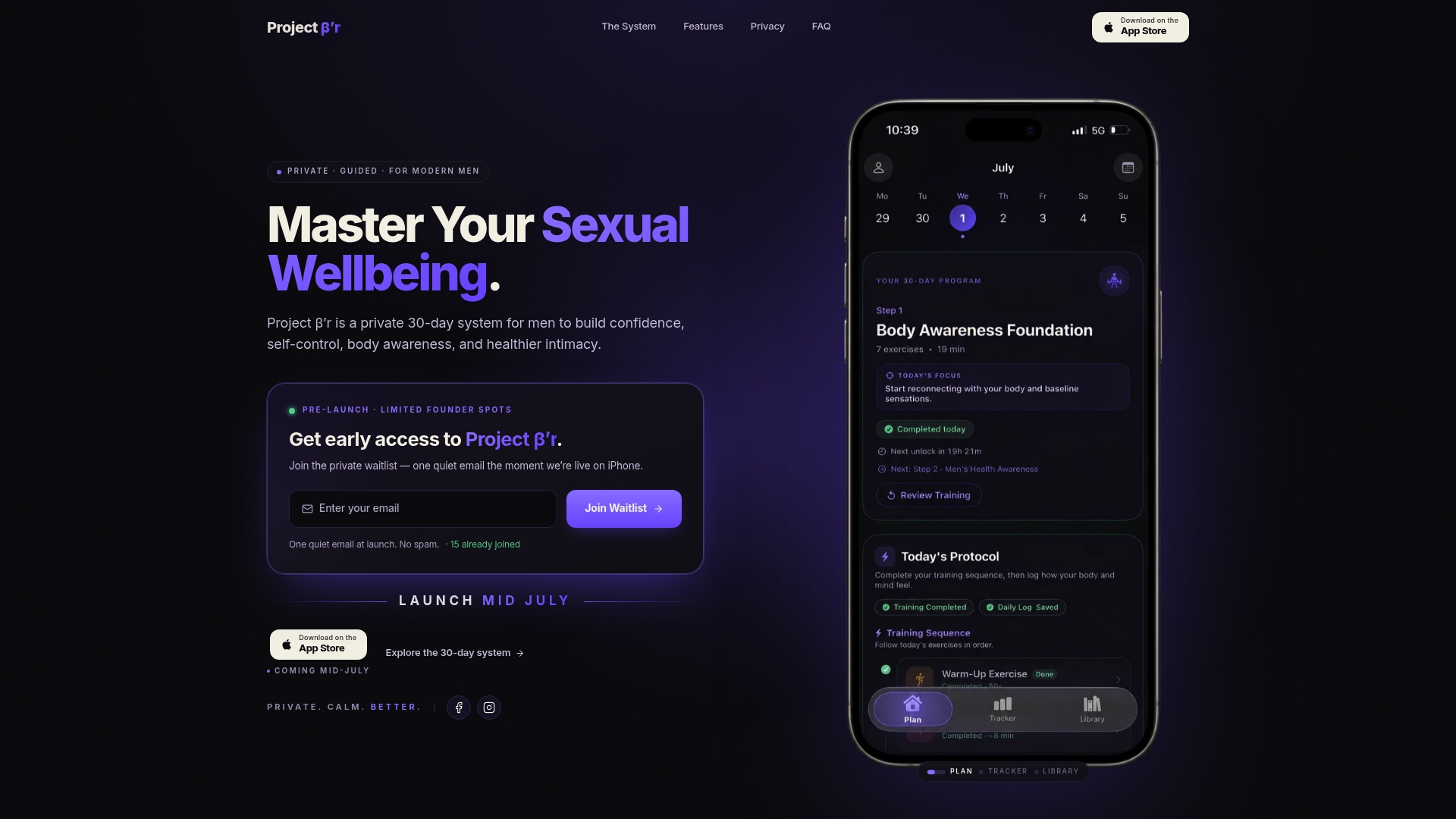
Projectbetter is a private 30-day program built specifically for men’s sexual wellbeing. It combines daily movement protocols, pelvic floor training, and guided reflections designed to build self-awareness and reduce impulsive patterns. The program addresses performance pressure, low confidence, and compulsive habits through structured daily actions grounded in evidence-based research. There is no judgment, no public profile, and no generic advice. If you are ready to build a calmer mind and greater control over your habits, start with Projectbetter and take the first structured step toward healthier sexual patterns.
FAQ
What is compulsive sexual behavior disorder?
Compulsive sexual behavior disorder (CSBD) is classified by the ICD-11 as an impulse control disorder involving persistent, distressing sexual urges that feel uncontrollable. It is not classified as a behavioral addiction.
Is CBT effective for treating sexual compulsion?
CBT is the most widely supported therapy for CSBD, focusing on psychoeducation, urge management, and relapse prevention through individualized weekly sessions.
Do medications work for compulsive sexual behavior?
SSRIs and naltrexone are used off-label to support moderate to severe cases. Both require psychiatric supervision and work best when combined with psychotherapy.
Can lifestyle changes alone stop compulsive sexual behavior?
Lifestyle changes like exercise, mindfulness, and structured routines reduce relapse risk and improve outcomes, but they work best as part of a multi-modal plan that includes therapy.
How long does recovery from CSBD take?
Recovery timelines vary by individual and severity. Most men recover through outpatient care, with ongoing booster sessions and peer support sustaining progress over the long term.