Decreased Male Libido Treatment: Your Complete Guide
Decreased male libido treatment is the process of restoring sexual desire through medical, psychological, and lifestyle strategies that improve hormonal balance and overall well-being. Low sex drive in men is more common than most realize, and it rarely has a single cause. Testosterone decline, chronic stress, poor sleep, and relationship strain all contribute. The good news is that libido can be restored with the right combination of targeted interventions. This guide covers every major treatment path, from hormone therapy to natural supplements to counseling, so you can make informed decisions with your doctor.
What is decreased male libido treatment and who needs it?
Decreased male libido treatment applies to men who notice a persistent drop in sexual desire that affects their confidence, relationships, or quality of life. The clinical term for this condition is hypoactive sexual desire disorder, or HSDD, though most men simply describe it as feeling “switched off.” The causes split into three broad categories: hormonal, psychological, and lifestyle-related.
Low testosterone is the most discussed hormonal cause. Testosterone levels drop by roughly 1–2% per year after age 40, and levels in the 200–300 ng/dL range are generally considered low enough to warrant evaluation. A low number alone does not trigger treatment. Symptoms like fatigue, reduced libido, and mood changes must accompany the lab result before a clinician considers hormone replacement.
Psychological and lifestyle factors are equally significant. Anxiety, depression, certain antidepressants, excess body fat, alcohol use, and poor sleep all suppress sexual desire without touching testosterone directly. Low libido is a non-specific symptom influenced by many factors, and a thorough medical evaluation aims to rule out these external causes before ordering hormone tests. That sequencing matters because treating the wrong root cause wastes time and carries unnecessary risk.
How do testosterone levels affect libido, and what are the TRT options?
Testosterone drives sexual desire, energy, and mood in men. When levels fall below the clinical threshold and symptoms appear, testosterone replacement therapy (TRT) becomes a legitimate option. TRT improves sexual desire by about 25% more than placebo, with modest but statistically significant gains in sexual function and satisfaction. Effects on mood and cognition are less predictable.
TRT comes in several delivery forms, each with different convenience, cost, and monitoring requirements.
| Delivery method | How it works | Key consideration |
|---|---|---|
| Topical gel | Applied daily to shoulders or upper arms | Risk of transfer to partners or children if skin contact occurs |
| Intramuscular injection (short-acting) | Injected every 1–2 weeks | Testosterone levels peak and trough between doses |
| Intramuscular injection (long-acting) | Injected every 10–14 weeks | More stable levels; fewer clinic visits |
| Subcutaneous pellets | Implanted under skin every 3–6 months | Consistent delivery; minor procedure required |
All TRT forms require regular blood monitoring. Side effects include sleep apnea, breast swelling, blood clots, enlarged prostate, and reduced fertility. These risks must be managed clinically, which means ongoing lab work and honest conversations with your prescribing physician.
Pro Tip: If you use a transdermal gel, apply it to dry skin on your shoulders or upper arms and wash your hands immediately afterward. Unintended skin-to-skin transfer can expose partners or children to testosterone, causing unwanted hormonal effects.
What lifestyle changes actually improve male sex drive?
Lifestyle interventions are the first-line approach for men without confirmed hypogonadism, and they work. Experts recommend a lifestyle-first approach that prioritizes fat loss, sleep quality, and resistance training before considering hormone therapy. These changes raise endogenous testosterone production and improve sexual desire without the side effects of medication.
The core steps are straightforward:
- Lose 5–10% of body fat. Excess fat tissue converts testosterone to estrogen. Reducing body fat by even a modest amount measurably raises free testosterone levels.
- Do resistance training 2–4 times per week. Compound movements like squats, deadlifts, and bench press produce the strongest hormonal response. Consistency matters more than intensity.
- Sleep 7–9 hours per night. Most testosterone is produced during deep sleep. Cutting sleep short suppresses morning testosterone levels and blunts libido.
- Limit alcohol to moderate levels. Chronic alcohol use suppresses the hypothalamic-pituitary axis, which regulates testosterone production.
- Get screened for sleep apnea. Untreated sleep apnea is a significant and often overlooked cause of low testosterone. Treating it can raise levels without any medication.
- Manage chronic stress actively. Elevated cortisol directly suppresses testosterone. Structured stress reduction, whether through exercise, therapy, or mindfulness practice, produces real hormonal benefits.
Lifestyle changes are endorsed as first-line therapy by clinical experts, not as a consolation prize for men who “don’t qualify” for TRT. For many men, these steps alone restore libido to satisfying levels within three to six months.
Pro Tip: Pick one habit to build at a time. Men who try to overhaul sleep, diet, and exercise simultaneously tend to abandon all three within weeks. Start with sleep. Everything else improves when you are rested.
Do natural supplements help with low libido in men?
Natural supplements occupy a real but limited role in male sexual health. They are not substitutes for medical diagnosis, but several have genuine clinical support as complementary tools. Physicians advise using them as adjuncts, not replacements for primary medical care, particularly because some interact with medications.
The most studied options include:
- Ashwagandha (Withania somnifera). An 8-week trial of standardized ashwagandha root extract showed a 36% increase in ejaculate volume, a 38% improvement in total sperm count, and an 87% increase in sperm motility. The same trial reported significant improvements in sexual desire scores and partner-related outcomes versus placebo, with no reported safety concerns.
- Panax ginseng. Multiple small trials support its use for erectile function and sexual satisfaction. The active compounds, called ginsenosides, appear to support nitric oxide production and blood flow.
- L-arginine. An amino acid that the body converts to nitric oxide, which relaxes blood vessels and supports erections. Evidence is modest but consistent for men with mild erectile concerns alongside low desire.
- Zinc. Zinc deficiency directly suppresses testosterone synthesis. Men with confirmed deficiency see measurable hormonal improvement after supplementation.
The safety profiles of these supplements are generally favorable at standard doses. That said, always disclose supplement use to your doctor before starting, especially if you take blood thinners, antidepressants, or blood pressure medications.
How do psychological and relational factors affect libido?
Mental health and relationship quality are among the most underestimated drivers of low sexual desire in men. Anxiety, depression, and medications like SSRIs commonly reduce libido and must be addressed alongside any physical treatment. A man can have normal testosterone levels and still experience near-zero sexual desire because of chronic stress or unresolved conflict with his partner.
Performance anxiety creates a specific trap. The fear of not performing well during sex reduces desire before any physical contact occurs. Over time, the brain begins to associate intimacy with threat rather than pleasure. This pattern is self-reinforcing and does not respond to testosterone therapy.
Individual psychotherapy, particularly cognitive behavioral therapy (CBT), addresses the thought patterns that suppress desire. Couples counseling targets relational dynamics, communication breakdowns, and mismatched expectations that quietly erode sexual connection. Both modalities have strong evidence behind them for improving sexual desire when psychological factors are the primary driver.
Effective treatment requires a multi-disciplinary approach that combines medical and mental health care. A man who gets TRT without addressing his anxiety or relationship stress will likely see limited results. The two tracks work best together.
How should you approach treatment decisions with your doctor?
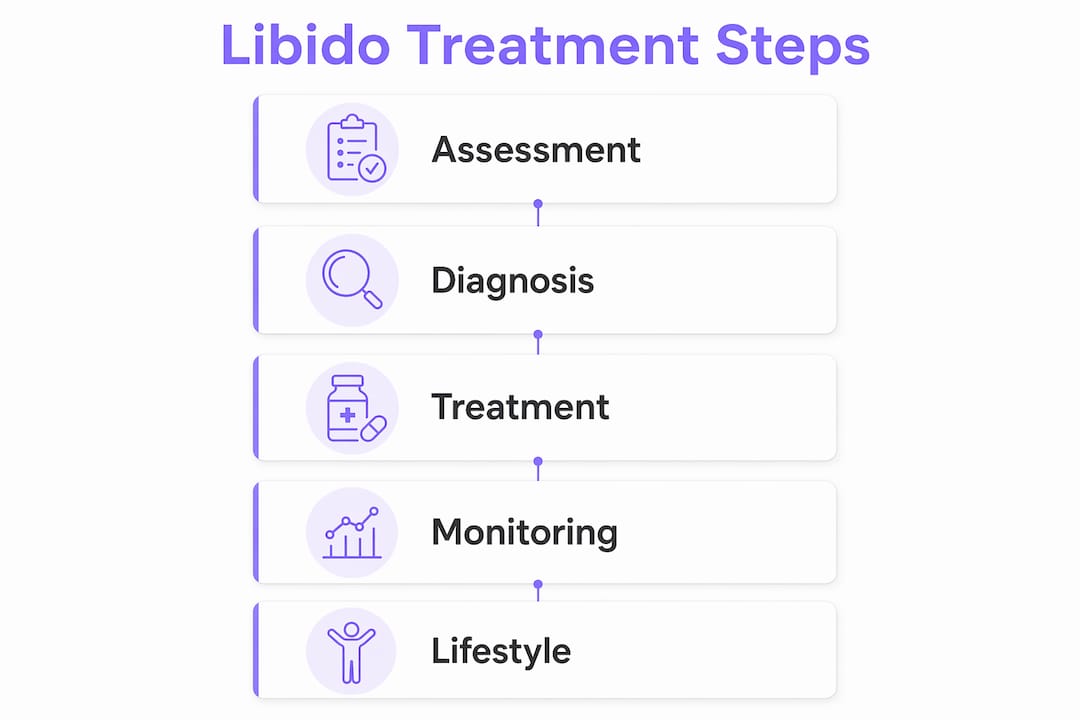
The diagnostic process starts with a full symptom assessment and a morning blood draw for total and free testosterone. Morning testing matters because testosterone levels peak early in the day. A single low result is not enough. Most guidelines recommend two separate low readings before initiating hormone therapy.
From there, shared decision-making guides the path forward. You and your clinician weigh the severity of your symptoms, your lab values, your lifestyle, and your goals. Effects on libido and energy from TRT may appear within weeks, while muscle mass improvements typically take 8–12 weeks. Mood changes are less predictable and vary by individual.
Follow-up appointments are not optional. They allow your doctor to confirm that levels are in the therapeutic range, catch side effects early, and adjust dosing if needed. Men who skip follow-ups often end up with subtherapeutic levels or unmanaged risks.
Pro Tip: Before your appointment, write down your three most bothersome symptoms and when they started. Doctors make better decisions when you give them a clear timeline. Vague complaints lead to vague treatment plans.
Key Takeaways
Effective treatment for decreased male libido requires identifying the root cause first, then applying the right combination of hormonal, lifestyle, and psychological interventions.
| Point | Details |
|---|---|
| Confirm the cause before treating | Get morning testosterone labs and a full symptom review before starting any therapy. |
| Lifestyle changes come first | Fat loss, resistance training, and 7–9 hours of sleep raise testosterone without medication. |
| TRT works but requires monitoring | Testosterone therapy improves desire by about 25% over placebo and demands regular blood work. |
| Natural supplements play a supporting role | Ashwagandha and Panax ginseng have clinical backing as adjuncts, not primary treatments. |
| Mental health is not optional | Anxiety, depression, and relationship stress suppress libido independently of testosterone levels. |
What I’ve learned about treating low libido in men
Men with “low-normal” testosterone levels are the most frustrated group I encounter. Their numbers sit just above the clinical cutoff, so they don’t qualify for TRT, but they feel terrible. The conventional answer, “your levels are fine,” lands like a dismissal. It isn’t one. It’s actually an invitation to look harder at lifestyle and psychology, where the real leverage often lives.
The men who see the most durable improvement are not always the ones who start hormone therapy. They are the ones who commit to sleep, reduce body fat, and address what is happening in their relationships and their heads. That combination is slower than a prescription, but the results tend to stick.
I also want to be direct about patience. Libido does not return overnight. Men who expect a dramatic shift within two weeks of starting any treatment, whether TRT, supplements, or therapy, often quit before the intervention has had time to work. Eight to twelve weeks is a realistic minimum for most approaches. Give your body and mind the time they need.
The most grounded men I’ve seen navigate this process are the ones who stay curious rather than desperate. They track their sleep, show up to follow-up appointments, and treat this as a long-term investment in their health rather than a problem to fix fast. That mindset is not a soft skill. It is the actual treatment.
— Aleksandr
Projectbetter supports your progress, privately
Sexual wellbeing is personal. Most men want structured support without clinical coldness or public exposure.
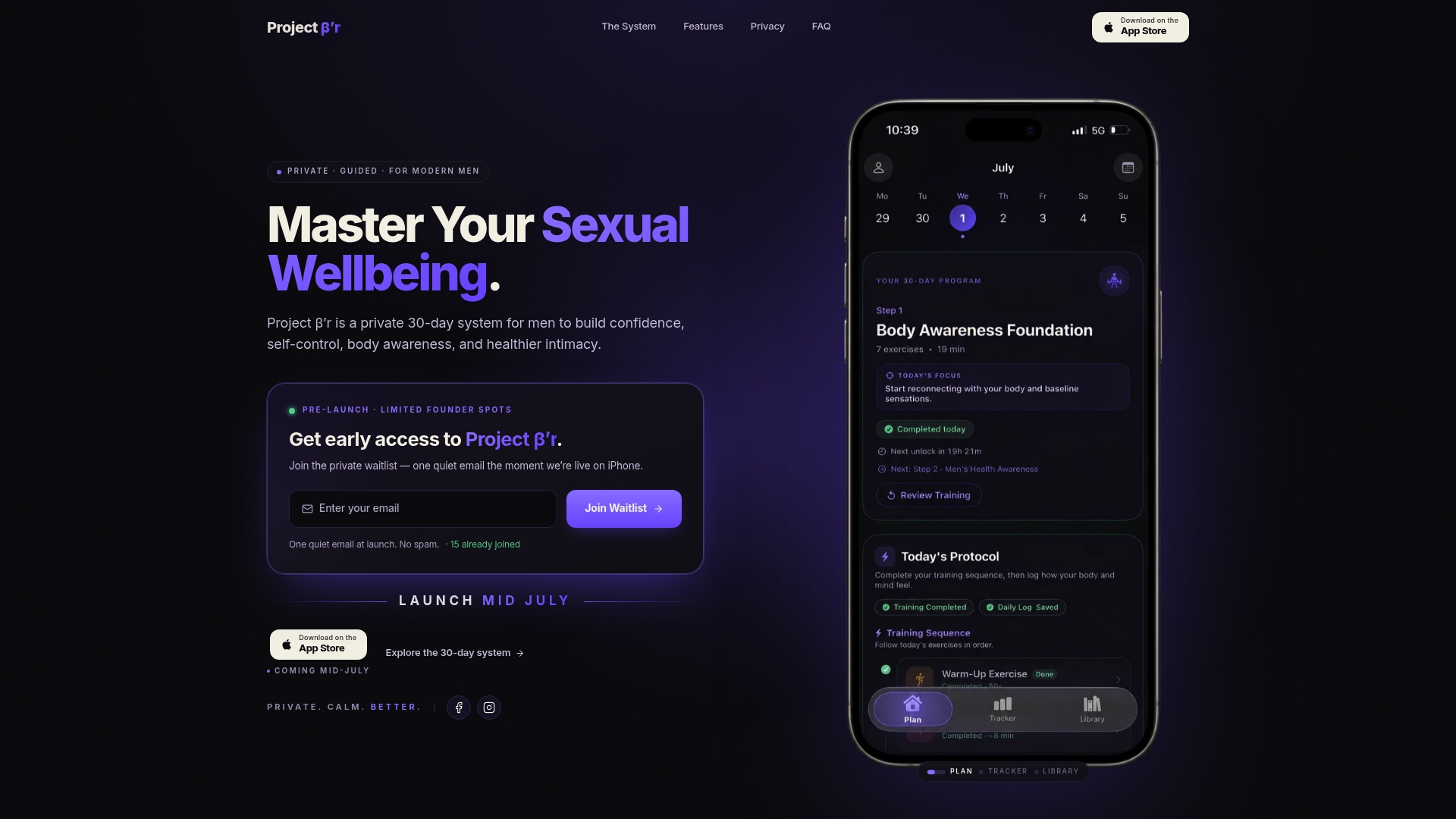
Projectbetter is a private 30-day program built specifically for men working on sexual confidence and wellbeing. It combines daily movement protocols, pelvic floor training, and guided reflections into a structured system you can follow at your own pace. The program addresses performance pressure, self-awareness, and habit control, the psychological and behavioral layers that medical treatment alone rarely reaches. If you are working through low libido alongside a clinical plan, or simply want a private, evidence-informed structure to build on, visit Projectbetter to learn how the program works and whether it fits where you are right now.
FAQ
What testosterone level is considered low in men?
Testosterone in the 200–300 ng/dL range is generally considered low, but symptoms like reduced libido and fatigue must also be present before treatment is recommended.
Can libido be restored without testosterone therapy?
Yes. Lifestyle changes including fat loss, resistance training, and improved sleep raise testosterone naturally and restore libido for many men, particularly those without confirmed hypogonadism.
How long does it take for TRT to improve sex drive?
Effects on libido and energy can appear within a few weeks of starting TRT, while muscle mass improvements typically take 8–12 weeks with proper dosing and monitoring.
Does ashwagandha actually work for male sexual health?
An 8-week clinical trial showed significant improvements in sexual desire and sperm parameters with standardized ashwagandha root extract, with no reported safety concerns.
When should I see a doctor about low libido?
See a doctor if reduced sexual desire persists for more than a few weeks, affects your relationship or confidence, or comes with fatigue, mood changes, or other physical symptoms.