Pelvic Floor Exercises for Men: Benefits Explained
TL;DR:
- Pelvic floor exercises strengthen muscles at the base of the pelvis, improving urinary control and sexual function. Consistent practice over several weeks leads to better ejaculatory control, erections, and confidence. Proper technique, guided by professional feedback, prevents common mistakes and accelerates results.
Pelvic floor exercises for men are defined as structured contractions and relaxations of the pubococcygeus, bulbocavernosus, and ischiocavernosus muscles that sit at the base of the pelvis. These muscles control urinary flow, support erections, and regulate ejaculation. Six weeks of structured training produces measurable improvements in neuromuscular activity for both quick and sustained contractions. That finding means real, trackable change happens faster than most men expect. The pelvic floor exercises for men benefits extend well beyond bladder control: stronger muscles directly improve sexual performance, delay ejaculation, and build the kind of physical confidence that carries into intimacy.
What are the benefits of pelvic floor exercises for men?
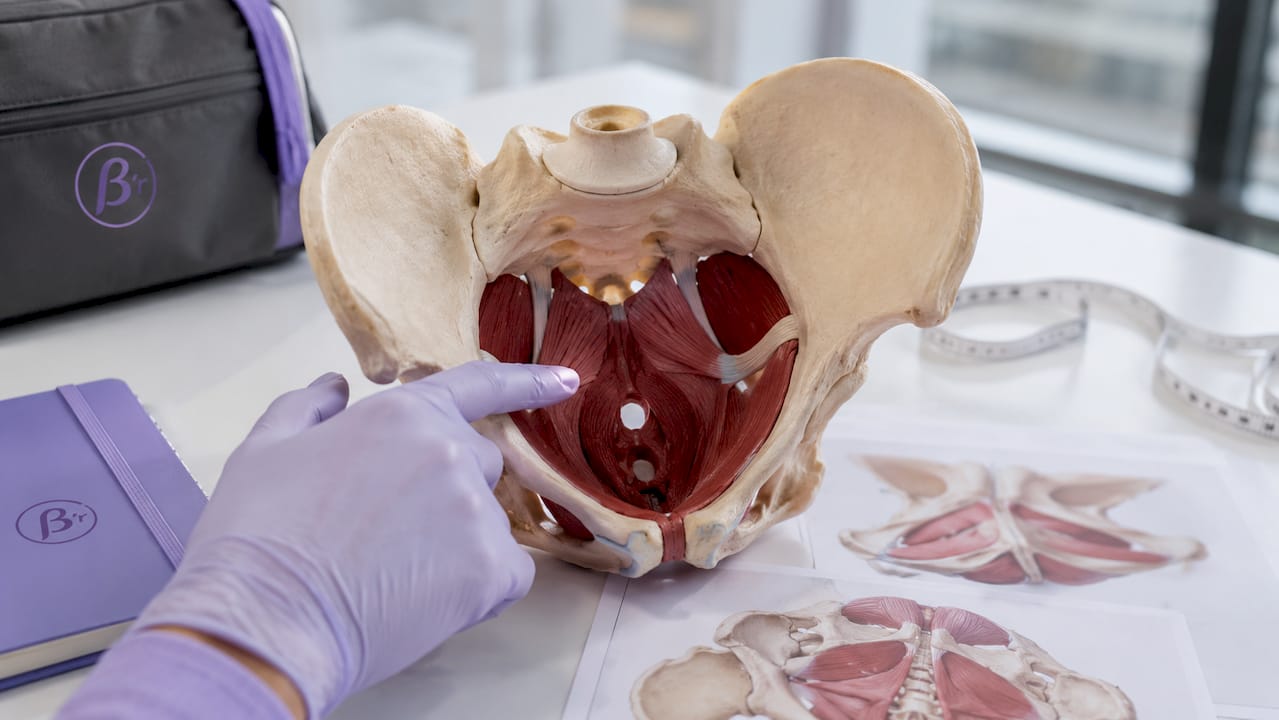
The pelvic floor is a hammock of muscles and connective tissue that spans the base of your pelvis. In men, it supports the bladder, bowel, and prostate while playing a direct mechanical role in sexual function. Understanding this anatomy is the first step toward using these muscles deliberately.
How these muscles affect erections and ejaculation
The ischiocavernosus muscle compresses the base of the penis during an erection, helping maintain rigidity. The bulbocavernosus muscle contracts rhythmically during orgasm to propel semen forward. When these muscles are weak or poorly coordinated, erections lose firmness and ejaculatory control suffers. Pelvic floor training is a medically recognized approach for managing both erectile dysfunction and premature ejaculation by strengthening exactly these muscles.
Urinary and bowel control
The same muscles that support sexual function also govern the urethral and anal sphincters. Weak pelvic floor muscles contribute to stress urinary incontinence, the leaking that happens after a cough, sneeze, or sudden movement. Strengthening them restores the closing pressure around the urethra. Men who have had prostate surgery often experience incontinence precisely because the procedure disrupts this muscle group, making pelvic floor training a standard part of post-surgical recovery.
Pro Tip: If you are unsure whether you are engaging the right muscles, try to stop your urine stream briefly the first time only. That sensation identifies the target muscles. Do not use this method regularly, as it can interfere with normal bladder signaling.
What does research show about pelvic floor strength for men?
The evidence base for men’s pelvic floor training has grown considerably. A 2026 pilot study confirmed that six weeks of training produces significant EMG improvements in both quick-flick and sustained contractions. That means the nervous system learns to recruit these muscles faster and hold them longer, two qualities directly relevant to ejaculatory control and urinary continence.
Properly performed pelvic floor training reduces the incidence of sexual dysfunction and improves quality of life significantly. The mechanism is straightforward: stronger, better-coordinated muscles give you more conscious control over functions that previously felt automatic or unreliable.
Biofeedback using EMG technology helps men optimize technique by providing real-time data on muscle activation. This tool is particularly useful for men who cannot tell whether they are contracting the right muscles during unsupervised practice.
The table below summarizes the exercise parameters recommended by Continence Health Australia, one of the leading continence health bodies in the world.
| Parameter | Recommendation |
|---|---|
| Hold duration | 5–8 seconds per contraction |
| Repetitions per set | 8–10 reps |
| Sets per day | 3 sets daily |
| Quick squeezes | Added after sustained holds |
| Progression | Gradual increase in hold time over weeks |
Continence Health Australia recommends starting with shorter holds and building toward the 5–8 second target as muscle endurance develops. Rushing the progression is one of the most common reasons men plateau early.
Common mistakes and myths about men’s pelvic health exercises
Most men who try pelvic floor training make the same handful of errors. Correcting them early determines whether you see results in weeks or waste months with no progress.
The “more is better” myth
Squeezing harder and more often does not produce faster results. Overactive pelvic floor muscles require relaxation techniques, not additional strengthening. Excessive squeezing can worsen symptoms including pelvic pain, urgency, and incomplete bladder emptying. A hypertonic pelvic floor is a recognized dysfunction that needs tailored care, not more reps.
Wrong muscles, wasted effort
The most frequent technical error is recruiting the wrong muscle groups. Here is what to watch for:
- Glutes tightening. Your buttocks should stay relaxed throughout the exercise. If they clench, you are not isolating the pelvic floor.
- Abs bracing. A tight stomach during the contraction means you are using your core instead of your pelvic floor.
- Thigh squeezing. Inner thigh activation is another sign of compensation, not isolation.
- Breath holding. Holding your breath increases abdominal pressure and works against the pelvic floor. Breathe normally throughout.
Correct technique requires isolating pelvic floor muscles without clenching the glutes, abs, or thighs. Visual confirmation helps: stand in front of a mirror and look for a subtle upward lift of the penis and a gentle drawing up of the testicles. That movement confirms you are engaging the right muscles.
The stop-the-flow mistake
The “stop-the-flow” method is a location tool, not an exercise. Using it regularly disrupts bladder function and may cause incomplete emptying over time. Use it once to find the muscles, then practice contractions away from the toilet.
Pro Tip: Men with chronic pelvic pain or a sense of tightness in the groin should see a pelvic health physiotherapist before starting a strengthening program. Relaxation, not contraction, may be what they actually need.
How to integrate pelvic floor training into your daily routine
Consistency matters more than intensity. Pelvic floor exercises are a learned skill, and men benefit most from professional guidance to perfect technique and timing. The following progression gives you a structured path from beginner to confident practitioner.
- Start with 3-second holds. In the first week, contract your pelvic floor for 3 seconds, then fully relax for 3 seconds. Do 8–10 repetitions per set, three sets per day.
- Add quick squeezes. After each set of sustained holds, perform 5–10 rapid contractions and releases. These train the fast-twitch fibers responsible for sudden urinary control.
- Progress to 5–8 second holds. By weeks 3–4, extend each contraction to 5 seconds, then work toward 8 seconds as strength builds.
- Anchor exercises to existing habits. Practice one set after brushing your teeth, one set during a lunch break, and one set before bed. Habit stacking removes the need for willpower.
- Track your progress. Note changes in urinary control, sexual endurance, and any reduction in urgency. These markers confirm the training is working before you feel dramatic physical change.
- Seek professional assessment when needed. Pelvic floor physical therapy offers personalized evaluation, including EMG biofeedback, to differentiate whether you need strengthening or relaxation work.
Most men see results within several weeks of consistent daily practice. Full benefits typically emerge after 3–6 months of training. That timeline is not discouraging. It is realistic, and realistic expectations keep men practicing long enough to reach the results they want.
Key Takeaways
Pelvic floor exercises for men produce measurable improvements in sexual function, urinary control, and ejaculatory timing when practiced correctly and consistently over several weeks.
| Point | Details |
|---|---|
| Six weeks produces real change | EMG studies confirm neuromuscular improvements in both quick and sustained contractions after structured training. |
| Correct isolation is non-negotiable | Contracting glutes, abs, or thighs instead of the pelvic floor wastes effort and delays results. |
| Relaxation matters as much as contraction | Overactive muscles cause pain and urgency; balanced training includes full release after every squeeze. |
| Daily consistency beats intensity | Three sets of 8–10 reps daily, progressing from 3-second to 8-second holds, is the evidence-backed standard. |
| Professional guidance accelerates progress | A pelvic health physiotherapist can identify whether you need strengthening or relaxation and confirm technique via biofeedback. |
What I have learned about pelvic floor training and men’s confidence
Most men who come to Projectbetter have never heard of their pelvic floor until something goes wrong. That is the real problem. These muscles govern some of the most intimate aspects of a man’s life, yet they receive almost no attention until there is leakage after surgery or a frustrating pattern of early ejaculation. By then, the shame has already built up.
What I have observed consistently is that the physical improvement is only half the story. When a man regains control over urinary urgency or notices that he can sustain an erection with more ease, something shifts in how he carries himself. That shift is not dramatic. It is quiet and private. But it is real. Learning to build sexual confidence often starts with something as unglamorous as a daily set of pelvic contractions.
The stigma around men’s pelvic health is genuinely harmful. Men delay seeking help because the topic feels embarrassing. That delay costs them months or years of unnecessary symptoms. The exercises themselves take less than ten minutes a day. The barrier is not time. It is awareness and the willingness to start without judgment.
My honest advice: give yourself a full 6 weeks of consistent practice before evaluating results. Do not measure progress by how the first week feels. Measure it by what changes in week five. Patience is not passive. It is the active decision to keep showing up for yourself.
— Projectbetter
How Projectbetter supports your pelvic floor training
Knowing the exercises is one thing. Staying consistent with them, in private, without pressure, is another.

Projectbetter is a private 30-day program built specifically for men who want to improve their sexual wellbeing and confidence. The program includes structured daily pelvic floor protocols, guided movement exercises, and reflections designed to build awareness without shame. Every session is private, self-paced, and grounded in evidence-based practice. Men who follow the program report calmer responses to performance pressure and greater control over their bodies. If you are ready to make pelvic floor training a consistent habit, start with Projectbetter and follow a structure that was built for exactly this purpose.
FAQ
What are the main benefits of pelvic floor exercises for men?
Pelvic floor exercises strengthen the muscles that control urinary flow, support erections, and regulate ejaculation. Regular training reduces symptoms of erectile dysfunction, premature ejaculation, and urinary incontinence.
How long does it take to see results from pelvic floor training?
Most men notice changes within several weeks of consistent daily practice. Full benefits typically develop over 3–6 months of structured training.
Can pelvic floor exercises help with premature ejaculation?
Yes. Strengthening the bulbocavernosus and ischiocavernosus muscles improves ejaculatory control. Clinical evidence confirms pelvic floor training as a recognized approach for managing premature ejaculation.
How many times a day should men do pelvic floor exercises?
Continence Health Australia recommends three sets daily, each consisting of 8–10 repetitions with 5–8 second holds, plus quick squeezes after each set.
When should a man see a pelvic floor specialist?
See a pelvic health physiotherapist if you experience pelvic pain, tightness, or no improvement after several weeks of self-directed training. A specialist can use biofeedback assessment to determine whether you need strengthening or relaxation therapy.