
Sexual healing, at its most complete, addresses far more than physical function. The field known as holistic sexology treats sexuality as a whole-person experience, integrating the body, mind, emotions, spirit, and relationships into a single, connected practice. Rather than isolating symptoms, this approach asks what is blocking your natural capacity for pleasure, connection, and vitality, then works across all those dimensions at once.
The Institute of Holistic Sexology organizes this work around four foundational pillars:
- Meditation: Cultivating presence and nervous system balance through breath and awareness
- Movement: Releasing tension, awakening energy, and restoring physical vitality
- Connection: Building authentic intimacy with yourself and others
- Pleasure: Embracing pleasure as a genuine tool for healing and self-discovery
What separates this framework from standard clinical sexology is its inclusion of nervous system regulation, energy work, and cognitive conditioning alongside physical care. Sexual shame, past trauma, and cultural conditioning all live in the body. Addressing them requires embodied, not just intellectual, practice.
What does holistic sexual healing actually involve?
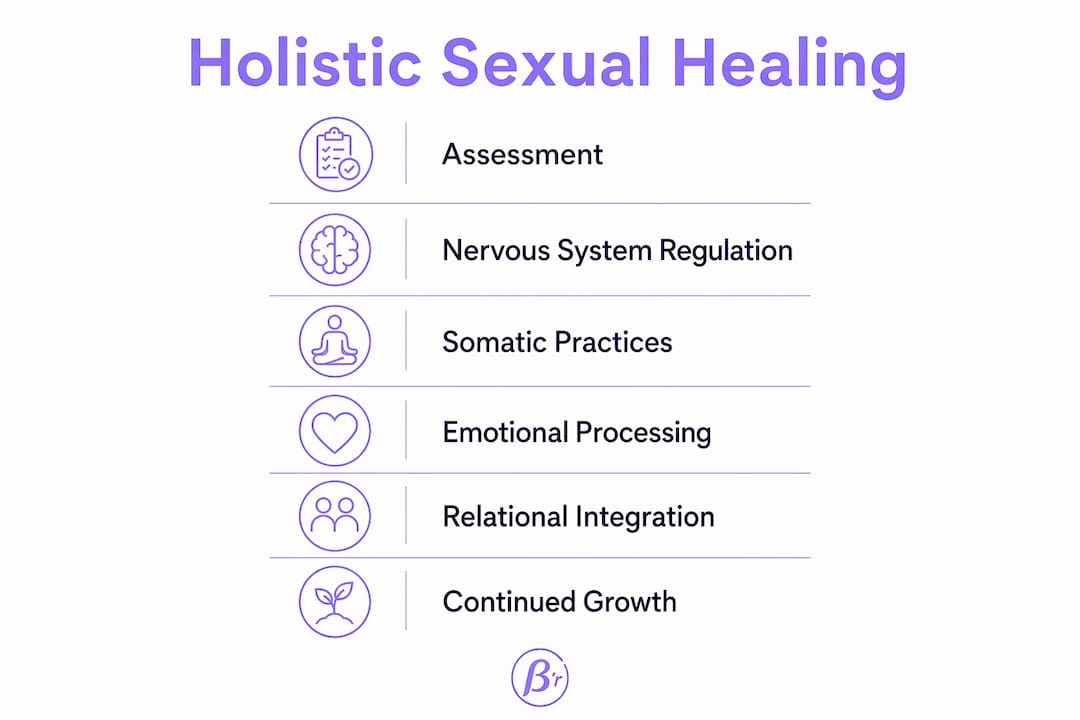
The methods used in whole-person sexual healing draw from several disciplines, each targeting a different layer of the mind-body system.
- Somatic therapy works directly with the body’s stored tension and trauma responses, helping the nervous system shift out of chronic fight-or-flight activation
- Mindfulness and meditation train present-focused awareness, which research links to improved sexual motivation, reduced self-judgment, and greater body awareness in both men and women
- Movement practices such as yoga, dance, and conscious touch engage pleasure chemicals, support lymphatic circulation, and activate the ventral vagal pathway, a key nervous system pathway for safety and connection
- Coaching and guided reflection help unravel the cognitive and cultural patterns that suppress desire or create shame around sexuality
- Energy healing and spiritual practices draw from Eastern traditions to clear emotional and energetic blocks, opening pathways to deeper authentic expression
- Relational and partner work incorporates informed consent, attunement, and shared presence to rebuild trust and intimacy between partners
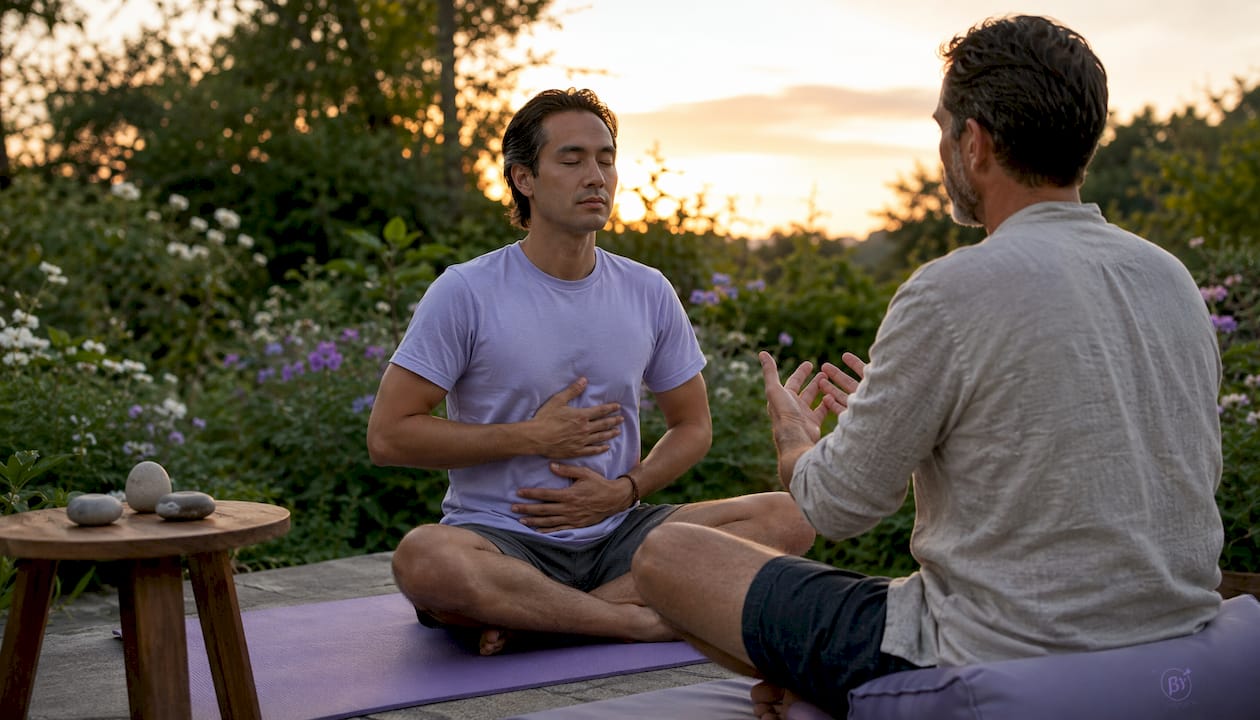
Sexual wellness coaching often combines somatic meditations, breathwork, sound, touch, movement, and visualization, all tailored to each person’s specific needs and desires.
Pro Tip: Before your first session with a practitioner, spend five minutes writing down where in your body you feel tension or numbness during intimacy. This body-awareness check-in gives your coach or therapist a concrete starting point and helps you track progress over time.
How sexual healing supports your well-being
The benefits of this integrative approach reach well beyond the bedroom. Practitioners and clients consistently report improvements across multiple areas of life.
- Reduced low libido, arousal difficulties, and pain during sex
- Decreased sexual shame, performance anxiety, and trauma-related blocks
- Stronger emotional intimacy and trust within relationships
- Greater nervous system regulation, which supports sleep, mood, and overall energy
- Increased self-acceptance and a clearer sense of personal desire
Sexual wellness also tends to reverberate into other life domains. Clients working on their sexual health sometimes find themselves leaving dysfunctional relationships, pursuing new creative paths, or simply living in closer alignment with their own truth. The connection between sexual wellness and broader vitality is well-documented by integrative health practitioners.
For men specifically, addressing the emotional and relational dimensions of sexuality, not just physical performance, tends to produce the most lasting change. Learning to build sexual confidence from the inside out, rather than performing it, is a core principle of this work.

How to begin your own healing practice
Starting is simpler than most people expect. You do not need to overhaul your life or commit to an intensive program immediately. Small, consistent practices build the neural pathways that make lasting change possible.
- Find a practitioner: Look for certified holistic sexologists, somatic therapists, or sexual wellness coaches. The American Association of Sexuality Educators, Counselors and Therapists (AASECT) maintains a directory of credentialed professionals across the United States
- Start with breathwork: Five minutes of slow, extended exhales each day directly calms the nervous system and builds body awareness, the foundation of all other practices
- Practice sensate focus: This technique, used widely in clinical sex therapy, involves mindful touch without any goal of arousal or orgasm. It reduces sympathetic nervous system activation and gradually rebuilds the body’s natural pleasure response
- Use guided visualization: Visualizing safe, pleasurable scenarios while in a relaxed state helps rewire associations between intimacy and anxiety
- Try pelvic floor training: Kegel exercises strengthen the pelvic floor, which directly supports sexual function and body awareness. Consistent practice, described in detail for men in pelvic floor physical therapy resources, builds both physical and psychological confidence
- Explore couples exercises: For partners working together, structured intimacy exercises focused on presence and non-goal-oriented touch can rebuild connection without pressure
Patience is not optional here. Sexual healing is a neuroplasticity process, requiring repetitive practice over weeks before new neural pathways become stable. Think of it the way you would a gym routine: consistency matters more than intensity.
Pro Tip: Stick with any new practice for at least 4–8 weeks before evaluating results. Progress in sexual healing often feels subtle at first, showing up as slightly less anxiety, a bit more body awareness, or a moment of genuine presence during intimacy.
What experts say about the science behind this approach
The evidence supporting mind-body approaches to sexual wellness has grown considerably over the past decade.
Meditation has been verified to balance the autonomic nervous system and strengthen the mind-body connection, both of which are directly relevant to sexual function. The nervous system’s role in sexual response is central to holistic sexology: when the body is locked in a stress state, natural arousal is physiologically suppressed.
Mindfulness-based approaches show clinical support for low sexual desire, erectile difficulties, arousal challenges, pain during sex, and orgasm difficulties. They work by reducing anxiety, improving focus on erotic cues, and strengthening body awareness. Harvard Health also notes that sensate focus techniques and pelvic floor exercises are among the most practical, evidence-backed tools for improving sexual satisfaction across age groups.
Trauma and cultural conditioning are not just psychological. They are stored in the body’s nervous system and require body-based practices, not only talk therapy, to resolve. This is why somatic approaches, combined with compassionate self-awareness practices, form the backbone of effective sexual healing work.
What services are available for sexual healing?
Whether you are working alone or with a partner, in person or remotely, there are structured options to support your process.
Individual sessions with a holistic sexologist or somatic therapist offer personalized assessment and a tailored healing plan. These typically combine coaching, breathwork, body-based practices, and guided reflection across a series of sessions.
Couples work focuses on relational attunement, communication, and shared presence. Couples therapy that integrates somatic and mindfulness techniques helps partners rebuild trust, navigate mismatched desire, and develop new patterns of connection. Structured couples exercises addressing emotional intimacy and non-goal-oriented touch are a common starting point.
Online courses and workshops have made this work far more accessible. Many certified practitioners now offer guided audio programs, video-based courses, and live virtual sessions, removing geographic barriers for people in smaller cities or those who prefer privacy.
Diverse relationship dynamics are explicitly welcomed within holistic sexology. Practitioners trained in this field work with LGBTQ+ individuals, non-monogamous relationships, and people navigating sexual identity, without judgment or a one-size-fits-all model.
For men seeking a structured, private starting point, Projectbetter offers a 30-day app-based program built around daily movement, pelvic floor training, guided meditations, and self-reflection tools, all designed to address performance pressure and build genuine sexual confidence at your own pace.
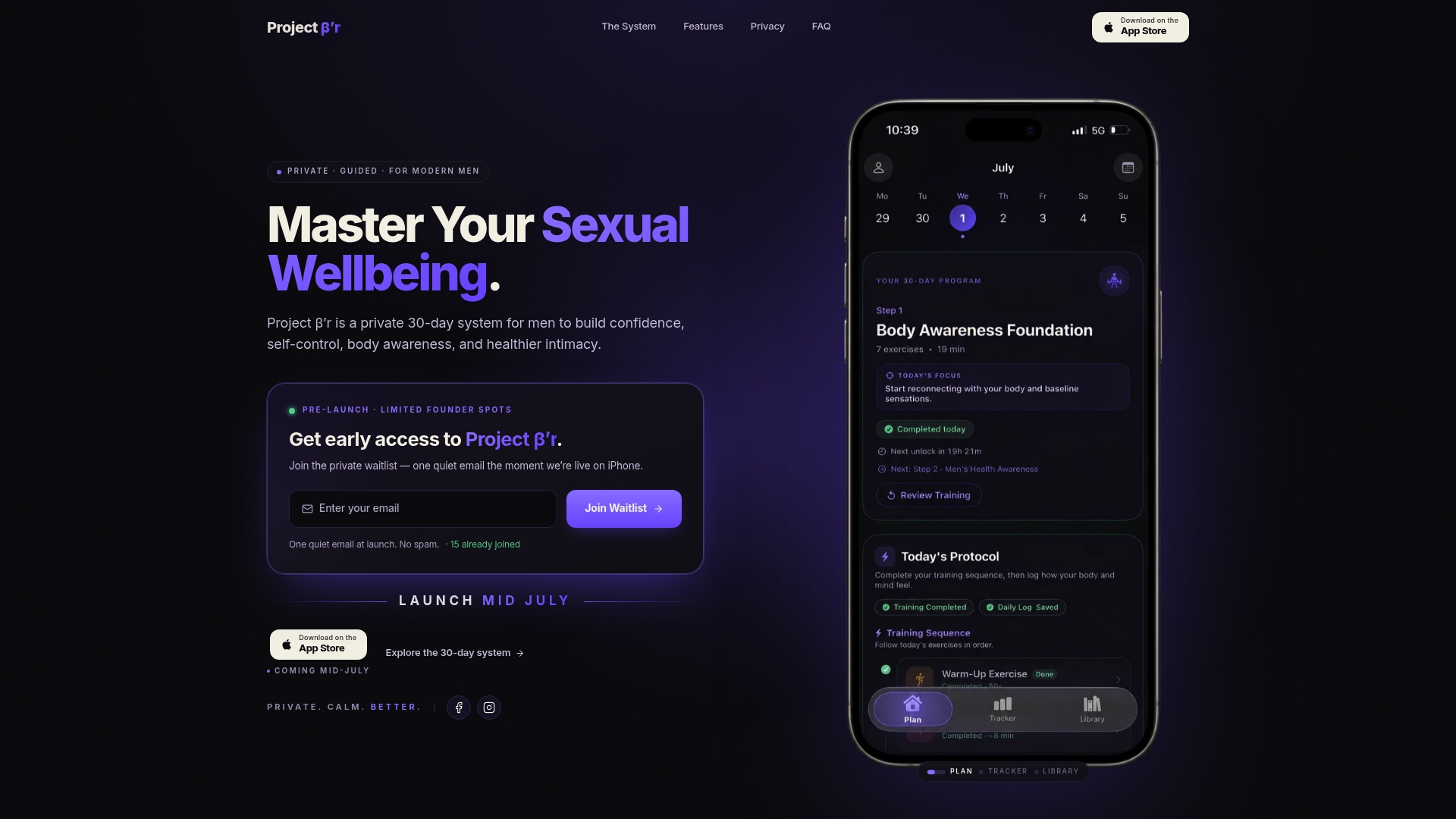
Start your 30-day program with Projectbetter and build a calmer, more confident relationship with your own body and desires.
Key Takeaways
Whole-person sexual healing works because it addresses the nervous system, body, emotions, and relationships together rather than treating symptoms in isolation.
| Point | Details |
|---|---|
| Four pillars structure the work | Meditation, Movement, Connection, and Pleasure form the integrative framework for sexual healing. |
| Nervous system is the foundation | Shifting from performance pressure to body-based sensation is where lasting healing begins. |
| Neuroplasticity requires consistency | Practices like breathwork and sensate focus need 4–8 weeks of regular use to build new neural pathways. |
| Benefits extend beyond sex | Clients often report improvements in relationships, creativity, and overall life alignment. |
| Multiple entry points exist | Individual sessions, couples work, online programs, and self-guided daily practice all support healing. |
FAQ
What is holistic sexual healing?
Holistic sexual healing is a whole-person approach to sexual wellness that addresses physical, emotional, mental, spiritual, and relational dimensions together. It uses practices like somatic therapy, breathwork, mindfulness, movement, and energy work to resolve sexual shame, trauma, and dysfunction at their root.
What is sexual healing therapy?
Sexual healing therapy refers to structured therapeutic work, often with a certified sex therapist or somatic practitioner, aimed at resolving sexual difficulties including low desire, arousal challenges, pain, or trauma. It draws on evidence-based methods such as sensate focus, mindfulness-based sex therapy, and somatic body work.
How does sexual healing address trauma?
Trauma is stored in the nervous system and body, not only in memory. Somatic therapies, breathwork, and body-based mindfulness practices help the nervous system gradually release stored stress responses, making it possible to experience intimacy without fear or shutdown.
How long does sexual healing take?
Progress varies by individual, but practitioners consistently emphasize that meaningful change requires at least 4–8 weeks of regular practice. Sexual healing is a neuroplasticity process: new pleasure and safety pathways in the brain build through repetition, not speed.
Can couples benefit from holistic sexual healing together?
Yes. Couples work within this framework focuses on relational attunement, shared presence, and non-goal-oriented touch. It helps partners rebuild trust, navigate desire differences, and develop communication patterns that support genuine intimacy.